Storytelling
Because knowing where we come from helps us understand where we stand.
Bengal Echoes’ Storytelling initiative brings Bengal’s history, heritage and culture to life through accessible, research-based storytelling — with particular attention to the lesser-known stories that deserve to be remembered, understood and shared.
The storytelling has been building for years.
An established body of work, not a new experiment.
Why these stories matter
Because knowing where we come from helps us understand where we stand.
Bengal’s past is not only something to remember. History and cultural memory give us context for the present — for the places we live in, the language we speak, the traditions we keep, the communities we belong to, and the ideas we have inherited without always noticing.
Knowing our roots does not settle every question. It helps us ask better ones: why a town grew where it did, why a custom took the shape it took, why a debate is still unresolved a century later.
Storytelling is how that knowledge travels. It makes history and heritage accessible and memorable — not simplified, but understandable.
The stories we tell
Bengal has never had just one way of remembering itself.
Some stories are carried through voices, images and moving pictures. Others need the slower work of research, context and the written word. Bengal Echoes makes room for both.
Watch the stories
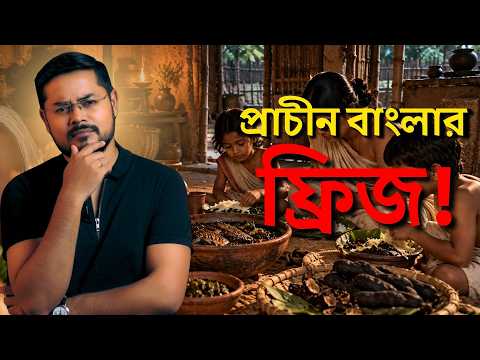
A large part of this storytelling is video work — published on the channel and gathered here as it goes out.



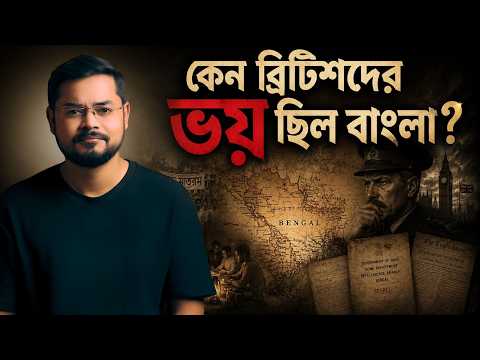


Browse by theme on YouTube
- Bengali Food & Cuisine
- Story & Audio Book
- Bengali Language & Literature
- Religion & Culture
- History
- Bengali History
Browse all playlists on YouTube
Individual playlist links are being added; for now these open the channel’s Playlists page.
Read the stories
Know Bengal
A growing publication of research-based stories about Bengal’s history, economy, people, culture, places and ideas.
Each one begins as archival and academic research, rewritten as a clear, sourced article for a general reader.
Latest article
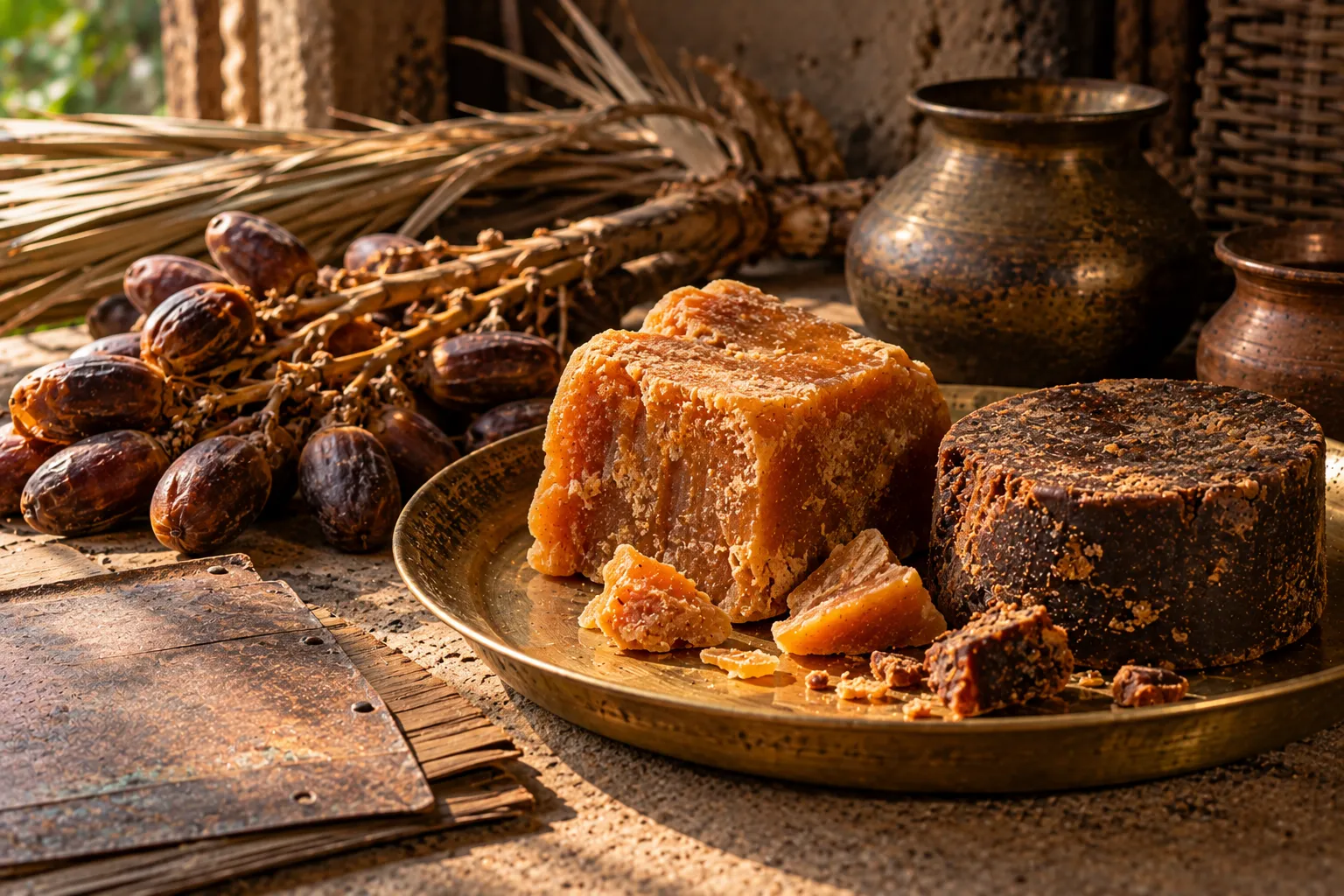
Before Sandesh: What Sweetened Bengal a Thousand Years Ago
Sandesh and roshogolla—Bengal’s most famous sweet exports—almost certainly did not exist in Pala Bengal (about 900–1100 CE). The sweetener with the strongest Bengal-specific documentary bracket across that millennium is date-palm jaggery: date palms named in a king’s land grant before the window, *nolen gur* in a poetry anthology just after it. Dairy is a civilisational inference; the sweets many treat as ancestral are a later invention.
Read the articleThe publication is organised into six areas.
- History Events, movements and turning points that shaped Bengal.
- Economy & Enterprise Trade, industry, business, entrepreneurship, work and the economic forces that shaped Bengal.
- People Lives and figures — the widely remembered and the overlooked.
- Culture, Language & Literature Art, faith, food, performance, festivals, language, literature and the ways Bengal expresses itself.
- Places Rivers, towns, settlements, landscapes and historic sites — and the stories they hold.
- Society & Ideas Social change, institutions, reform, education, public life and ideas shaping Bengal’s present and future.
How we tell stories
-
Research
We look beyond the familiar version of a story.
-
Context
We connect people, places and events to the larger story.
-
Accessibility
We make history and cultural knowledge understandable without flattening its complexity.
-
Storytelling
We use narrative and visual language to make the past accessible and memorable.
There are many more stories to tell.
Bengal holds countless stories that remain unexplored, forgotten or misunderstood. We want to keep finding them, telling them, and making them available to the people who inherit them.
About Bengal Echoes Know Bengal Knowledge Studio Learning