Category
Culture, Language & Literature
Art, faith, food, performance, festivals, language, literature and the ways Bengal expresses itself.
-
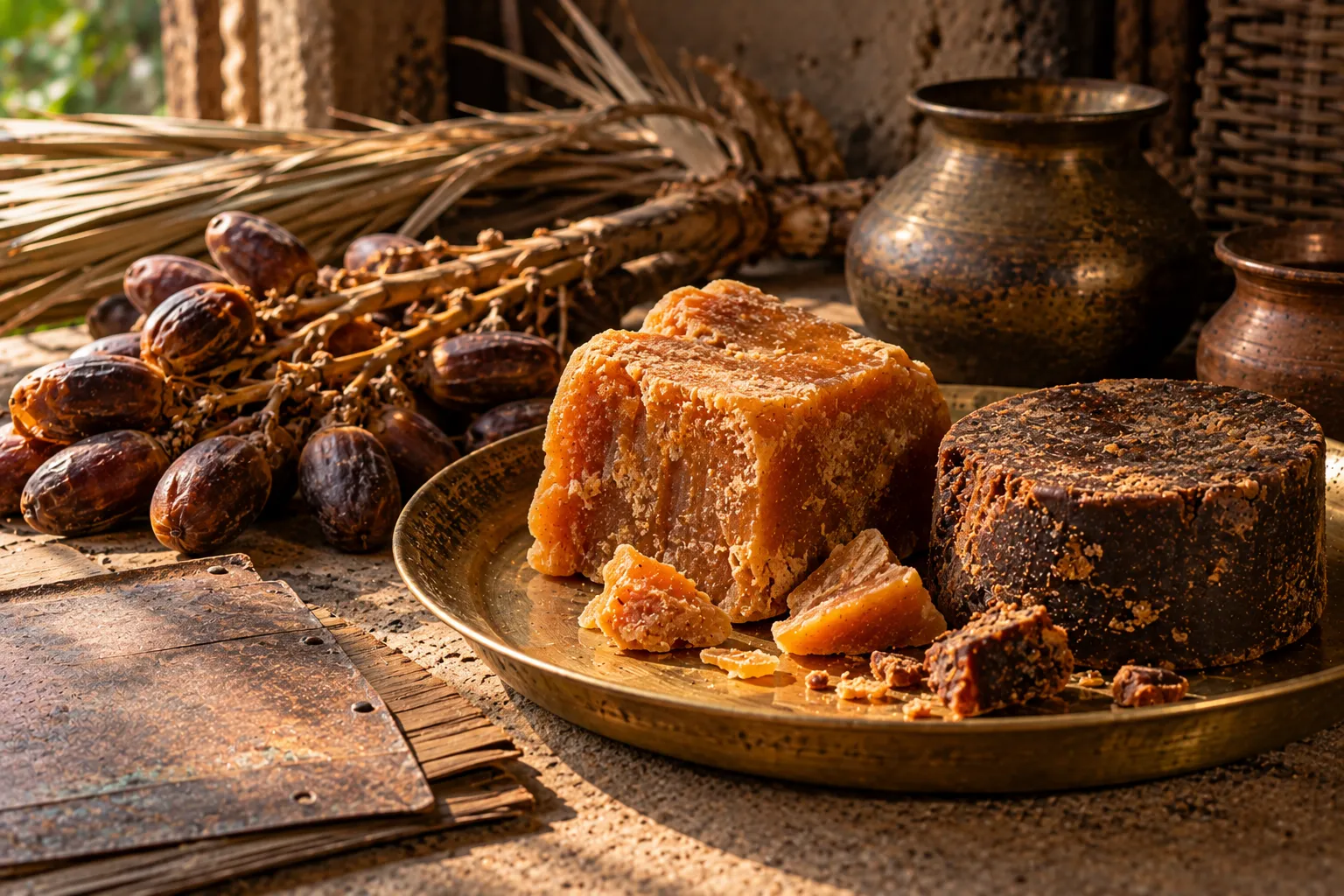
Before Sandesh: What Sweetened Bengal a Thousand Years Ago
Sandesh and roshogolla—Bengal’s most famous sweet exports—almost certainly did not exist in Pala Bengal (about 900–1100 CE). The sweetener with the strongest Bengal-specific documentary bracket across that millennium is date-palm jaggery: date palms named in a king’s land grant before the window, *nolen gur* in a poetry anthology just after it. Dairy is a civilisational inference; the sweets many treat as ancestral are a later invention.
-
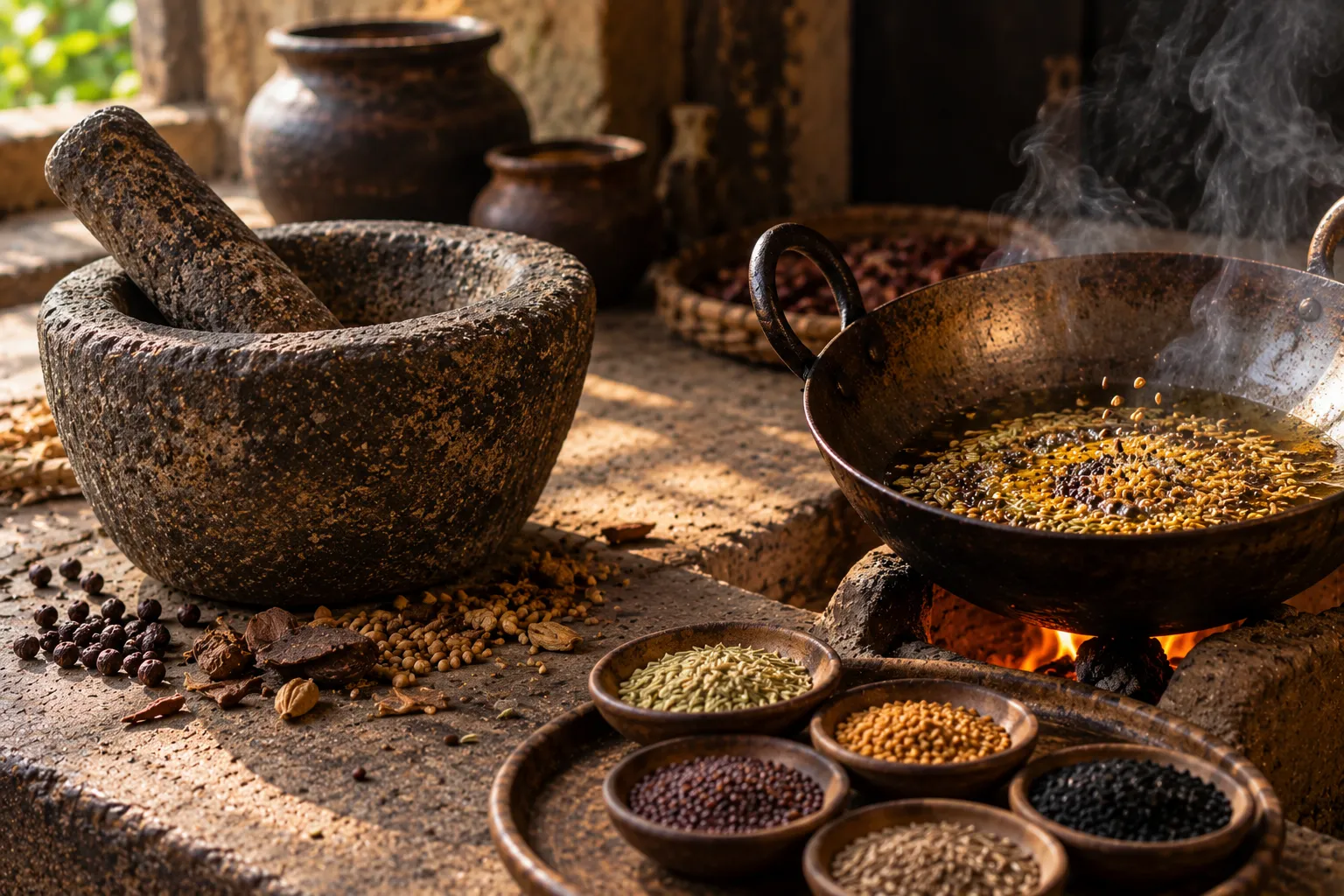
The Spice Mix That May Be Much Younger Than Bengal
The crackle of *panch phoron* in hot oil feels like ancestral Bengali perfume. For Pala Bengal, about 900–1100 CE, no located source describes that named five-spice tempering—or tempering as a codified technique. Individual spices are plausible by pan-Indian antiquity; grinding capacity is ancient. Capacity to crush spice is not the same as inventing the blend that later came to smell like memory.
-
The Bengali Kitchen Without Chilli, Potato or Tomato
Chilli, tomato and potato feel timeless on a Bengali plate. They are not. All three are New World crops, with no pre-Columbian history in Afro-Eurasia—and absent from Pala Bengal by centuries. Without chilli heat, tomato-based sourness or potato body, everyday flavour meant something quieter—and far older—than the kitchen many readers still treat as purely ancestral memory.
-
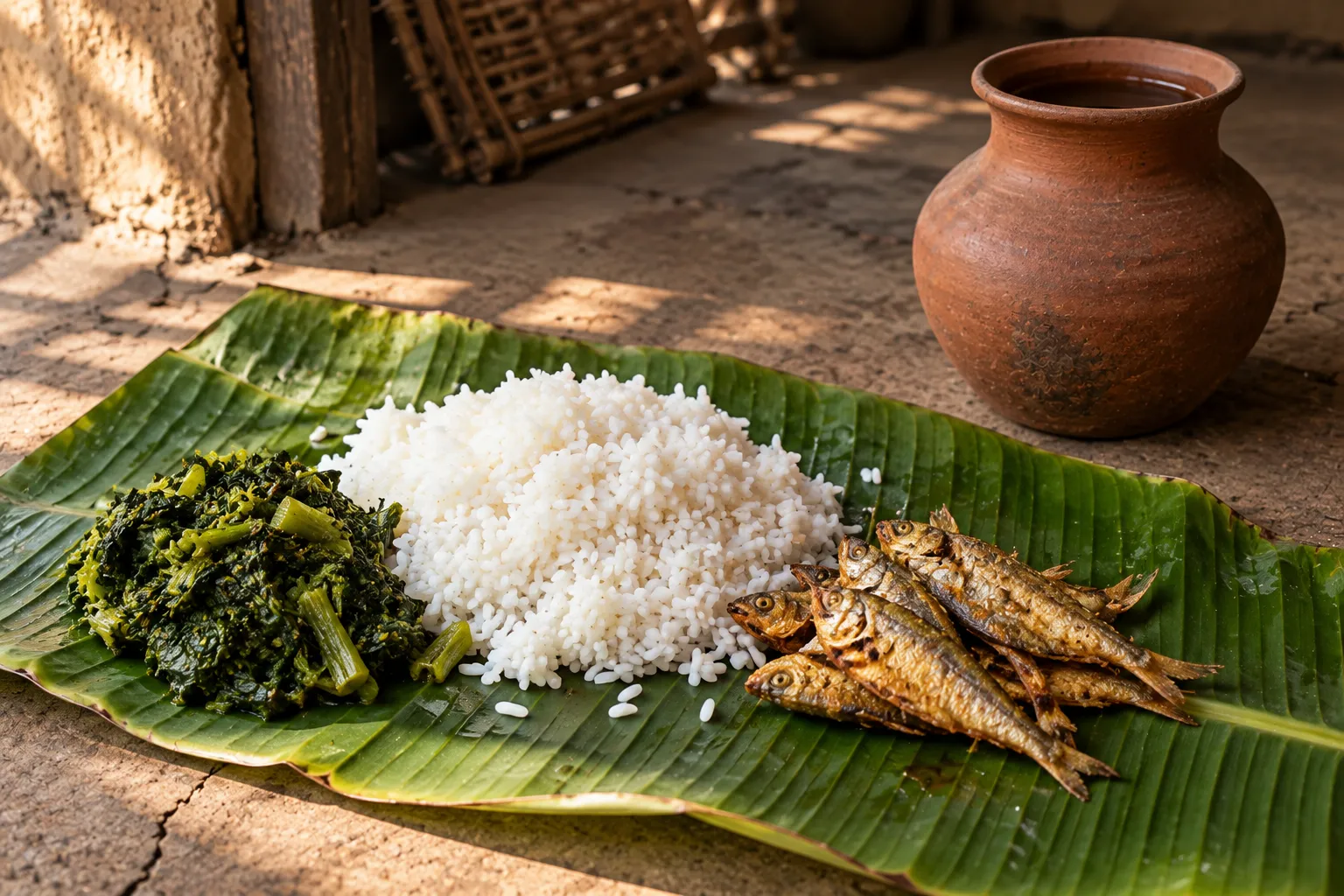
What Did Bengali Food Taste Like 1,000 Years Ago?
Clear the chilli heat, tomato sourness and sandesh from a modern Bengali table, and what remains is older than most people expect: rice, dal, fish, and mustard and sesame—the crops behind the oils Bengali cooking still uses. The flavour signature many treat as timeless Bengali taste arrived much later—layered carefully, deliciously, and recently on an older plate.
-
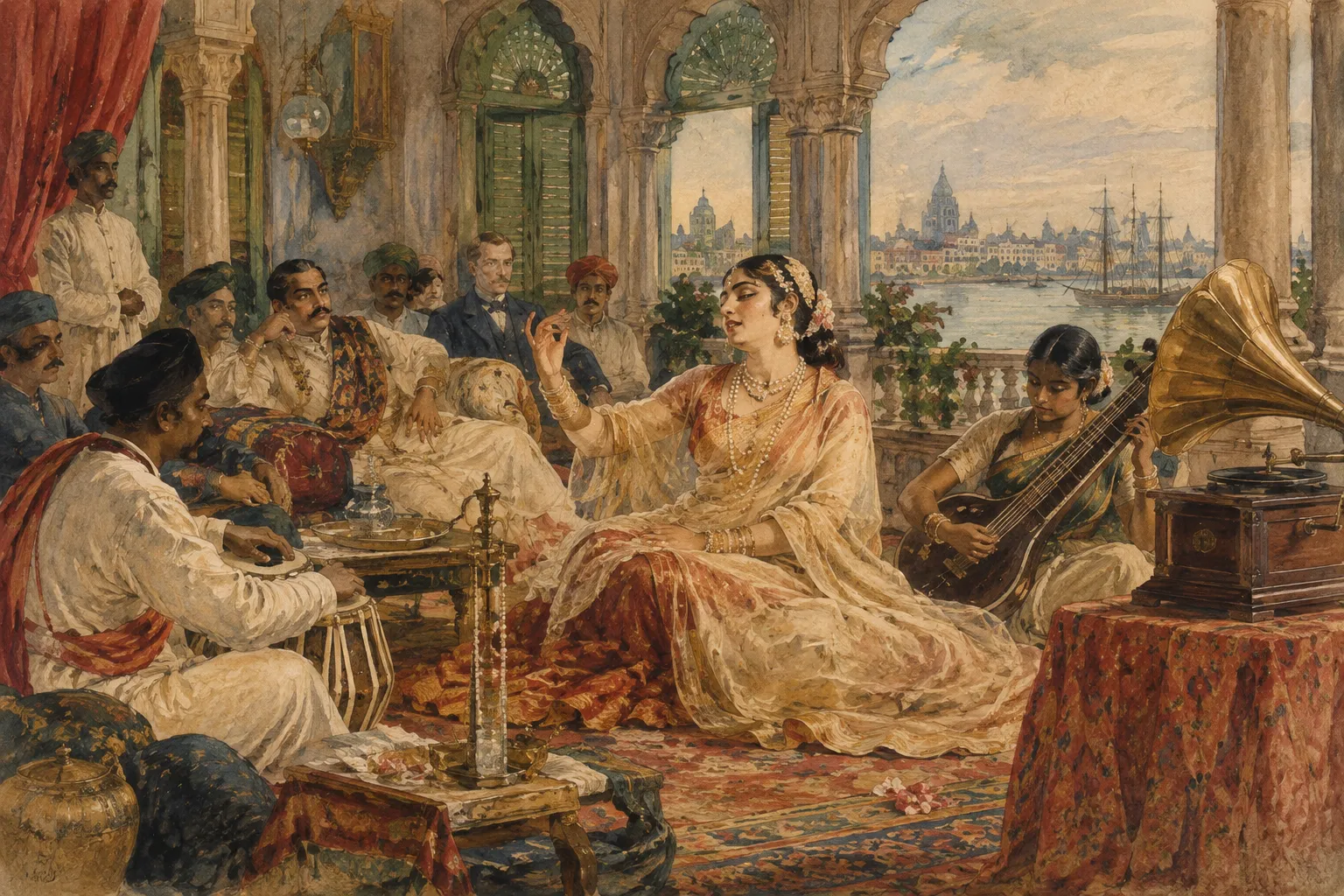
From the Kotha to the Gramophone: The Women Who Shaped Calcutta’s Music
Before the gramophone carried their voices across India, Baijis and Tawaifs had already transformed Calcutta’s musical life. Their salons connected music, dance, poetry, patronage and commerce—until colonial law and social reform pushed them to the margins.
-
The Cookbook That Left Out Onion and Garlic
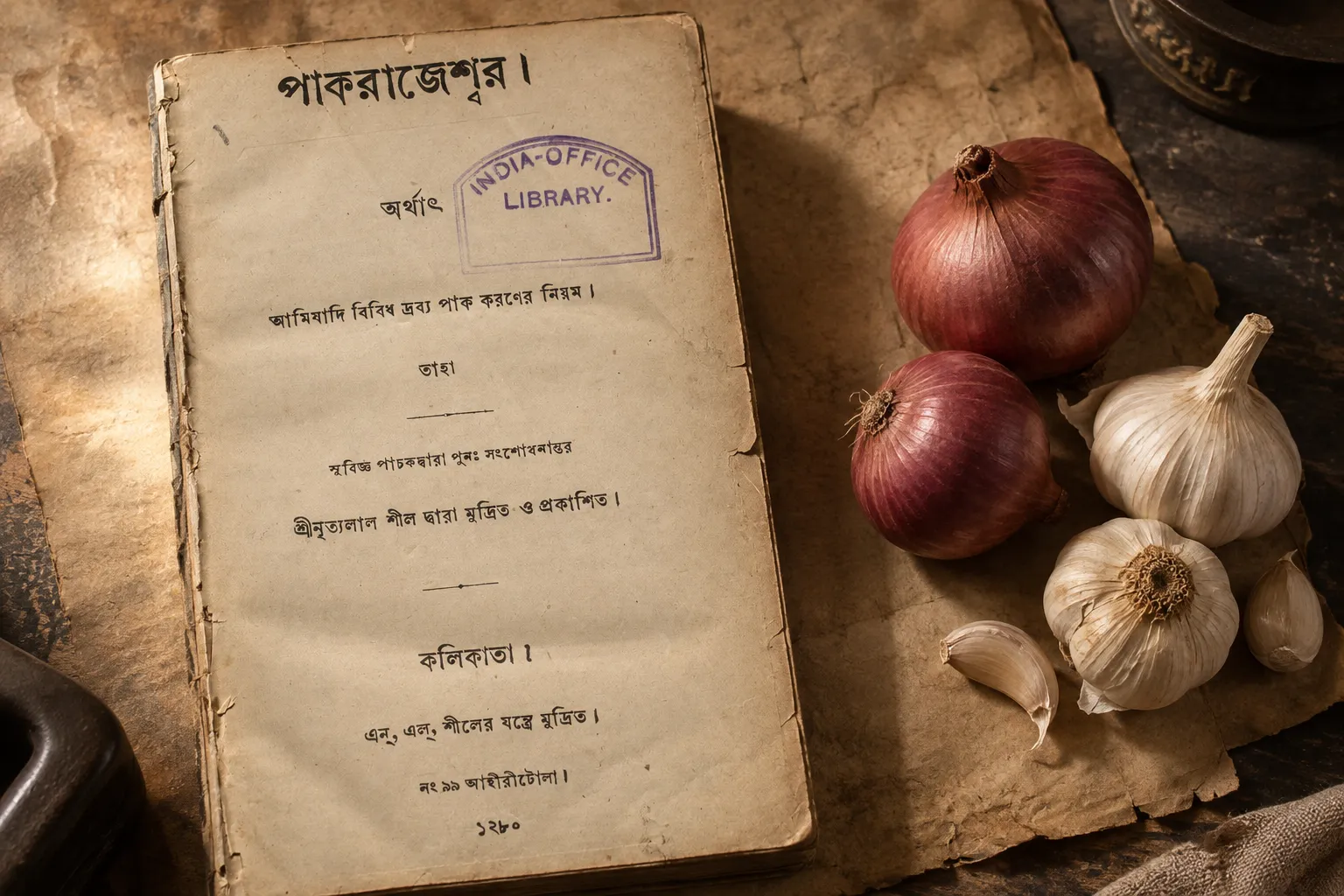
In 1831, a Bengali cookbook described elaborate meat dishes while leaving out ingredients many cooks today might expect to find. Its author even explained why onion was omitted. Through this curious absence, we glimpse how Bengali food was represented, who its cookbooks were written for, and how culinary influences were adapted to local tastes and expectations.
-
The Spice That Left Garlic and Onion Behind
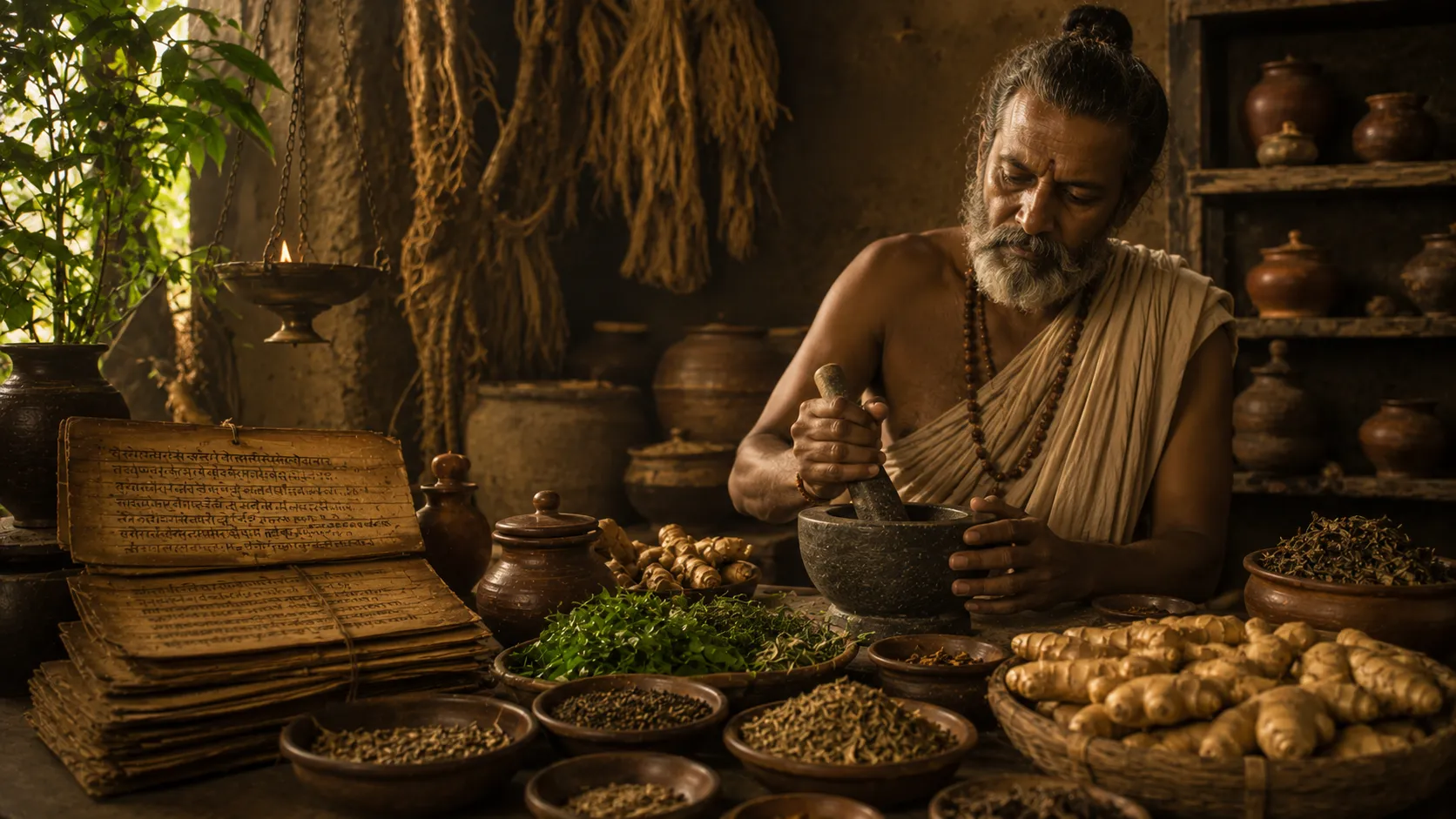
Ginger, garlic and onion often share the same place in Bengali cooking, but they do not always share the same place in ritual life. Ginger’s presence in some devotional settings raises a fascinating question about food, purity and the meanings attached to plants. Why can one member of this familiar culinary trio cross a boundary the others may not?
-
The Onion That Had to Find Its Place in the Bengali Kitchen
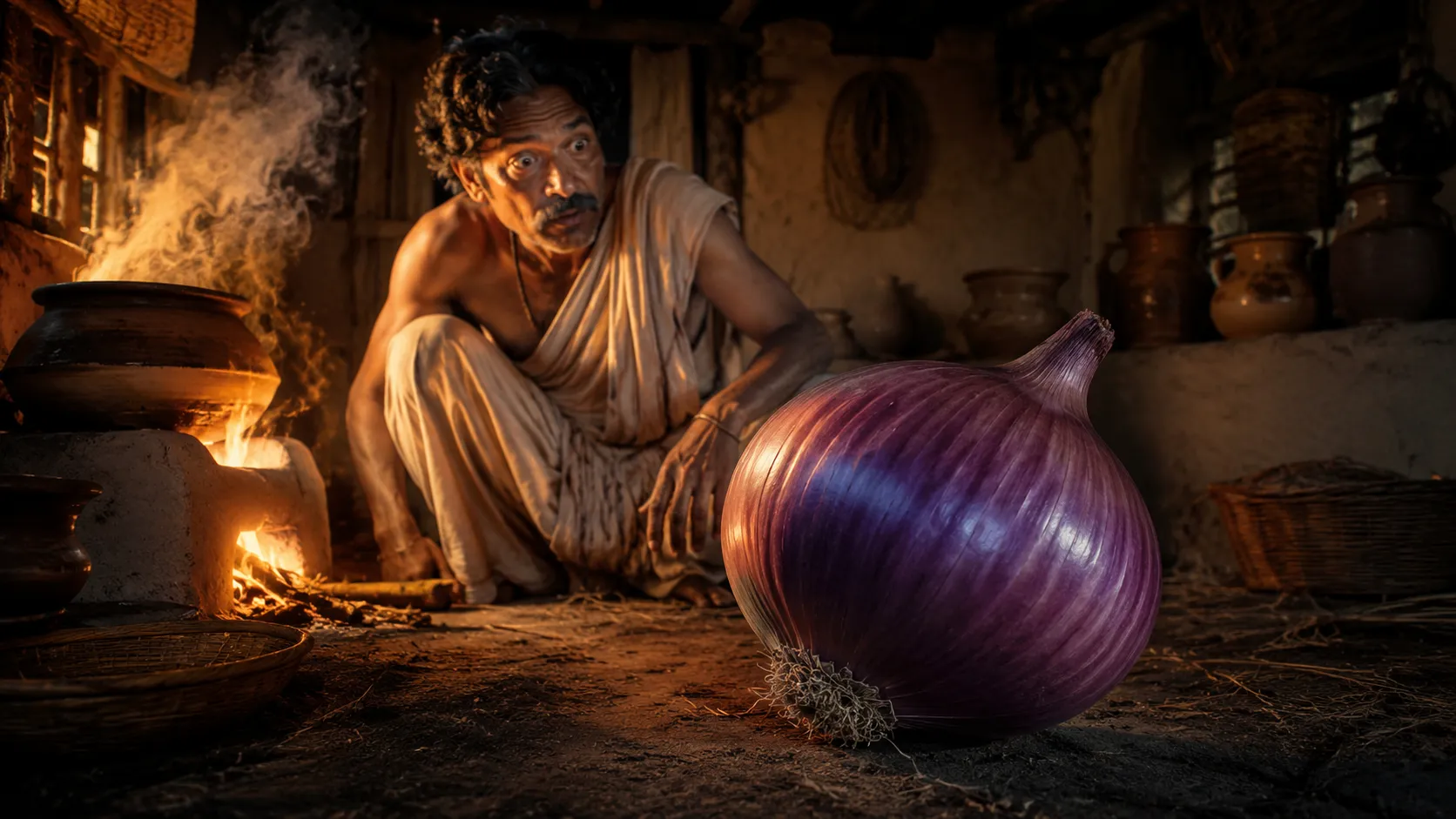
Why would an early Bengali cookbook include elaborate meat dishes while leaving out onion? Following the ingredient through nineteenth-century cookbooks reveals a changing culinary world shaped by taste, religious boundaries and household expectations. Its story is not a simple tale of arrival, but of how Bengali food writers negotiated what belonged in the kitchen.
-
Why Did Ganesha Become the First Voice of the Bengali Maṅgal-kāvya?
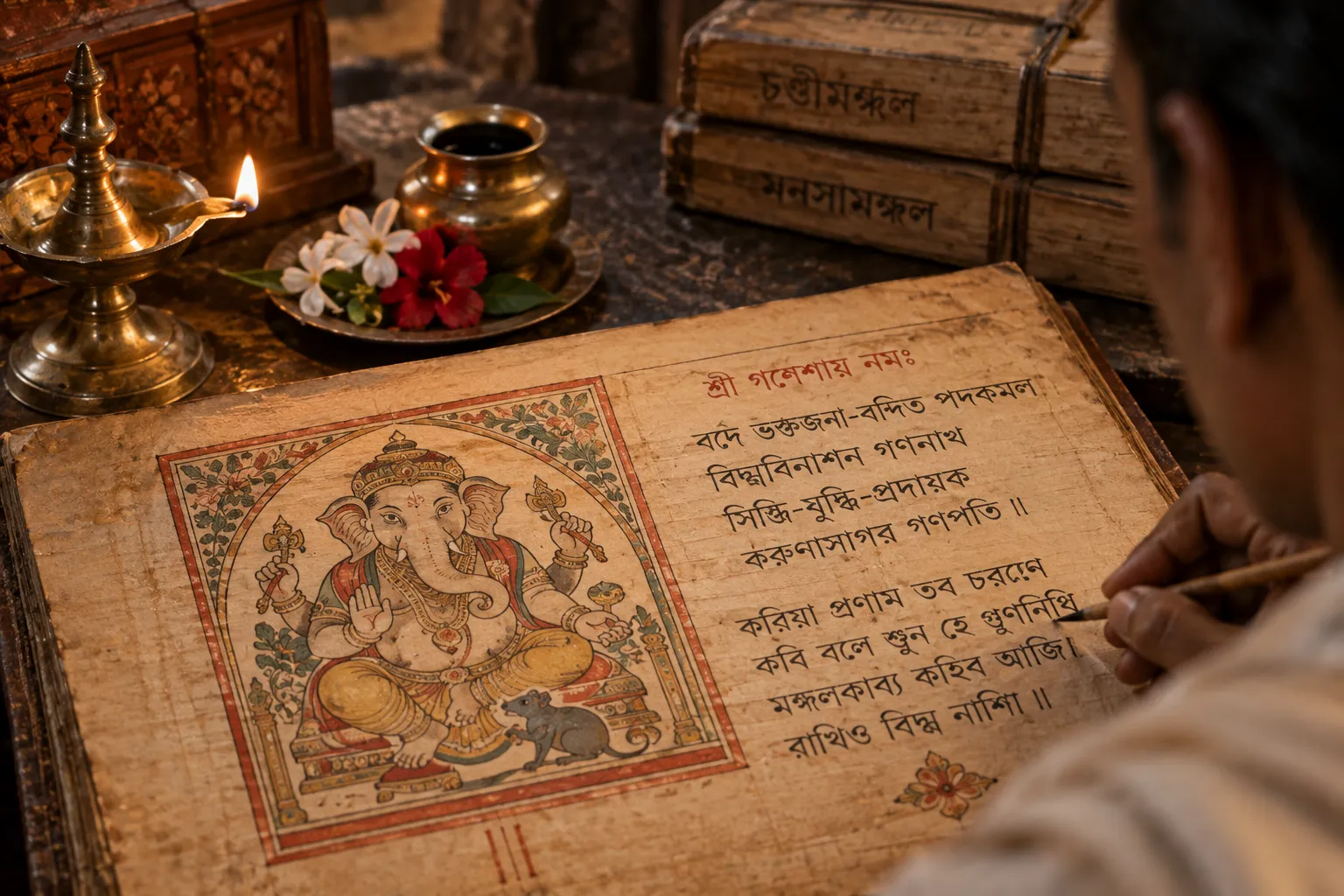
Before many Bengali Maṅgal-kāvyas entered their stories of gods, merchants and ordinary life, poets first created an auspicious opening through vandana. Ganesha frequently appeared at this threshold, even when another deity was the poem’s central figure. His place in these invocations reveals how a wider Hindu tradition became woven into Bengal’s distinctive literary culture.
-
Why Is Ganesha's Vehicle a Mouse?
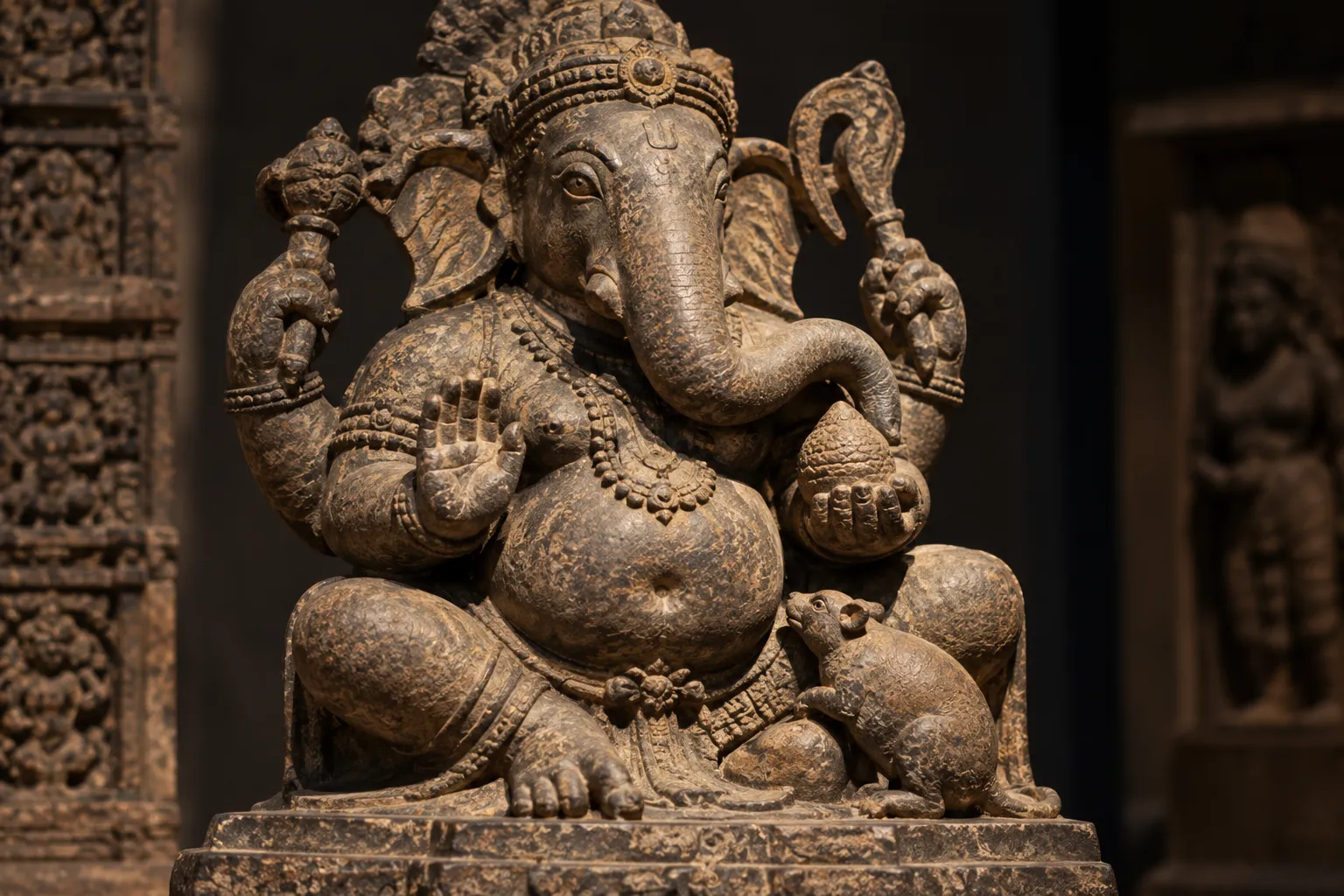
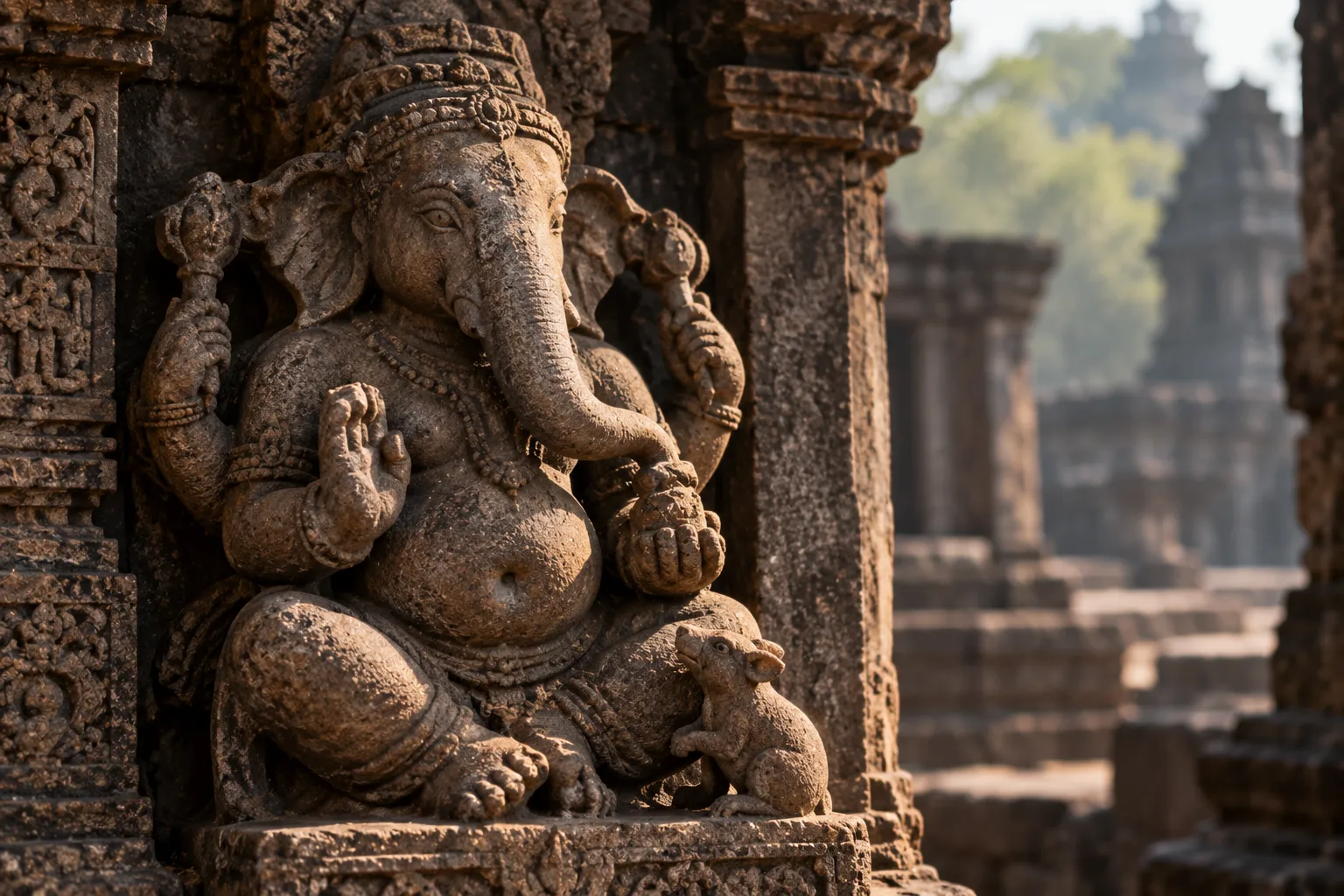
Ganesha is one of India’s most recognisable gods, but his tiny mouse companion is easy to overlook. The pairing has a history of its own. From agricultural interpretations of the mouse to later ideas about desire, the wandering mind and the conquest of obstacles, this unlikely vehicle has accumulated meanings across centuries of South Asian religious culture.
-
From Ganapati to Ganesha: How Did the God We Know Take Shape?
The word gaṇapati is already present in the Rigveda, yet the deity we know as Ganesha took shape through a much longer history of changing names, images, myths and rituals. From Brahmaṇaspati to the elephant-headed god, and eventually into Bengali literary culture, his story is one of religious transformation rather than a single moment of origin.
-
What Did a Bengali Warship Actually Look Like?
The wooden warships of medieval Bengal have largely disappeared, leaving behind only fragments of evidence: technical descriptions, archaeological representations and references to different vessel types. By reading those clues together, we can reconstruct the design logic of Bengal’s warships—without pretending that the surviving evidence gives us a perfect blueprint.
-
The Film Nobody Wanted to Fund — and That Took Bengal to the World
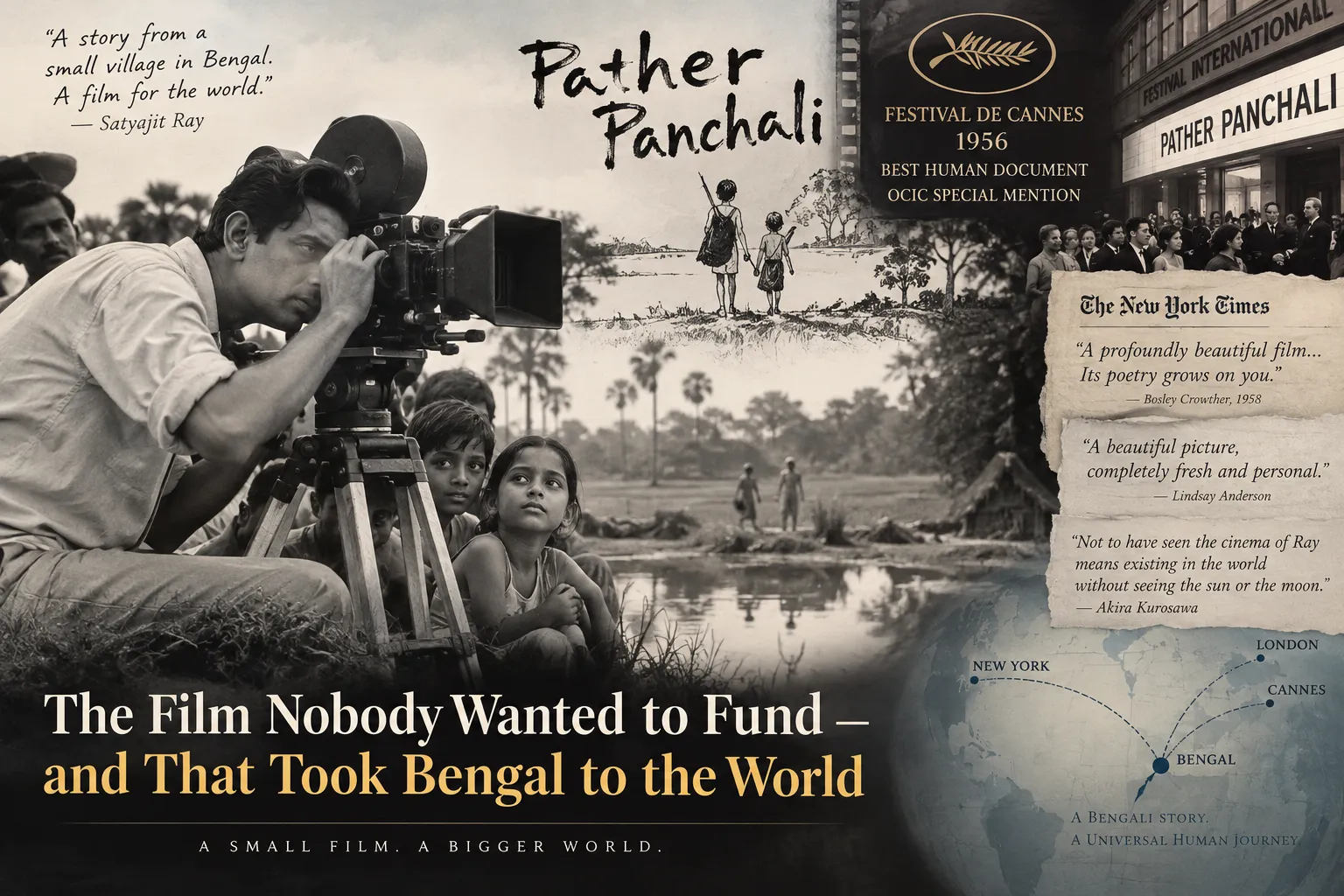
The making of Satyajit Ray’s Pather Panchali was a struggle from the beginning: money ran out, production stalled and the first-time filmmaker had to risk his family’s security to keep going. Then the film travelled from Bengal to Cannes and beyond, winning extraordinary acclaim while provoking serious criticism about poverty, pace and representation.
-
The Printing Press That Made Modern Bengali Imagination
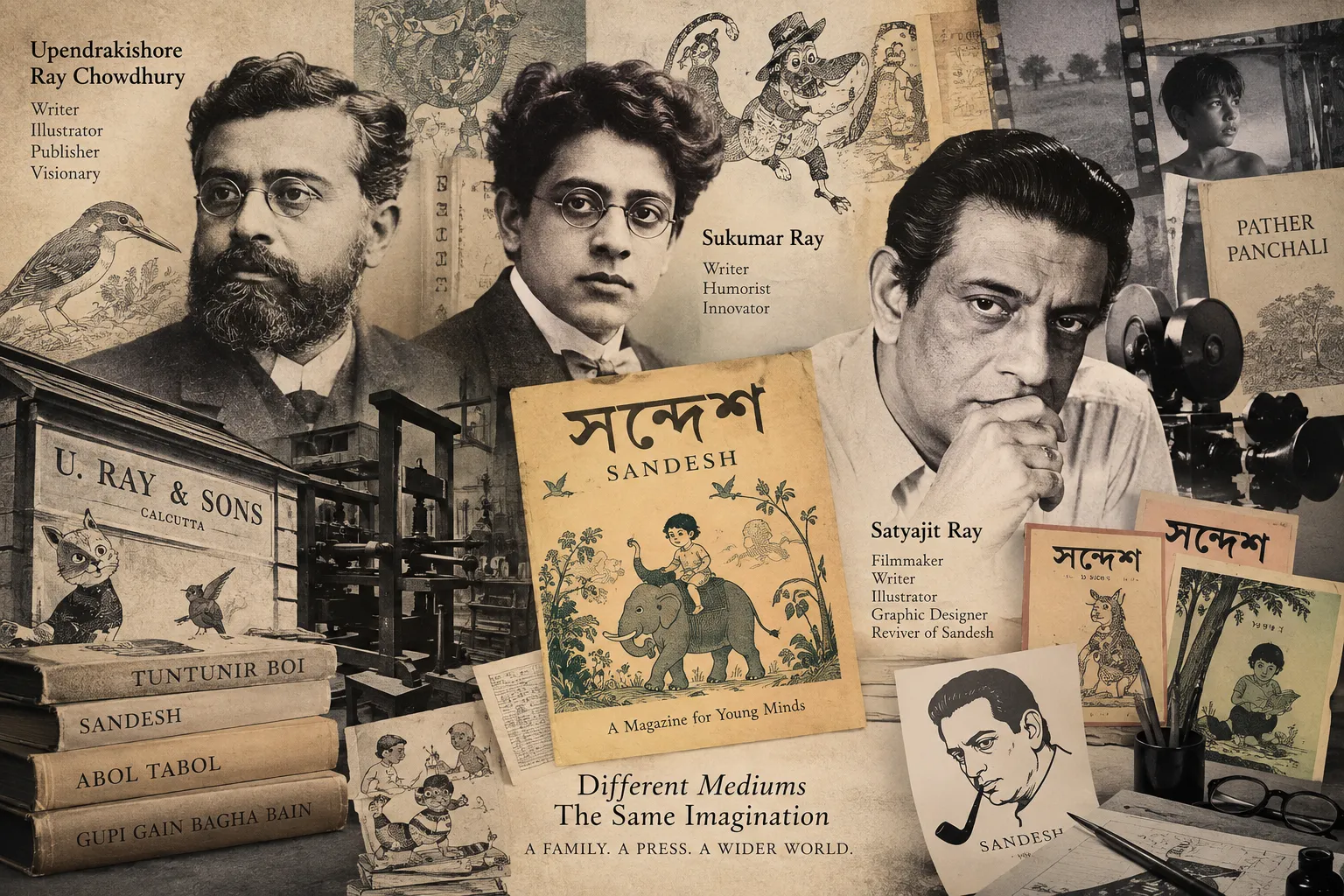
Long before Satyajit Ray became a world-famous filmmaker, his family was reshaping how Bengal read and saw. From Upendrakishore Ray Chowdhury’s pioneering U. Ray & Sons press to Sukumar Ray’s illustrations and Satyajit’s revival of Sandesh, three generations carried the same creative inheritance across printing, literature, graphic design and eventually cinema.
-
When the Bengali Merchant Disappeared from Bengali Literature
Bengali literature once gave merchants the scale of heroes: they owned ships, crossed seas and built fortunes through risk and adventure. By the twentieth century, the literary imagination had turned towards farmers, zamindars, clerks, professionals, workers and urban families. The merchant did not vanish from Bengal, but he gradually lost his place at the centre of its stories.
-
When the Saraswati Lived in Poetry
Long before the Bengal Saraswati became a lost river, Bengali literature had already made it part of a living world of ships, merchants, pilgrims and sacred places. From Bipradas Pipilai’s Manasamangal to Vrindavana Dasa’s Chaitanya Bhagavata, the river survives not as a map or measurement, but as part of Bengal’s cultural memory.
-
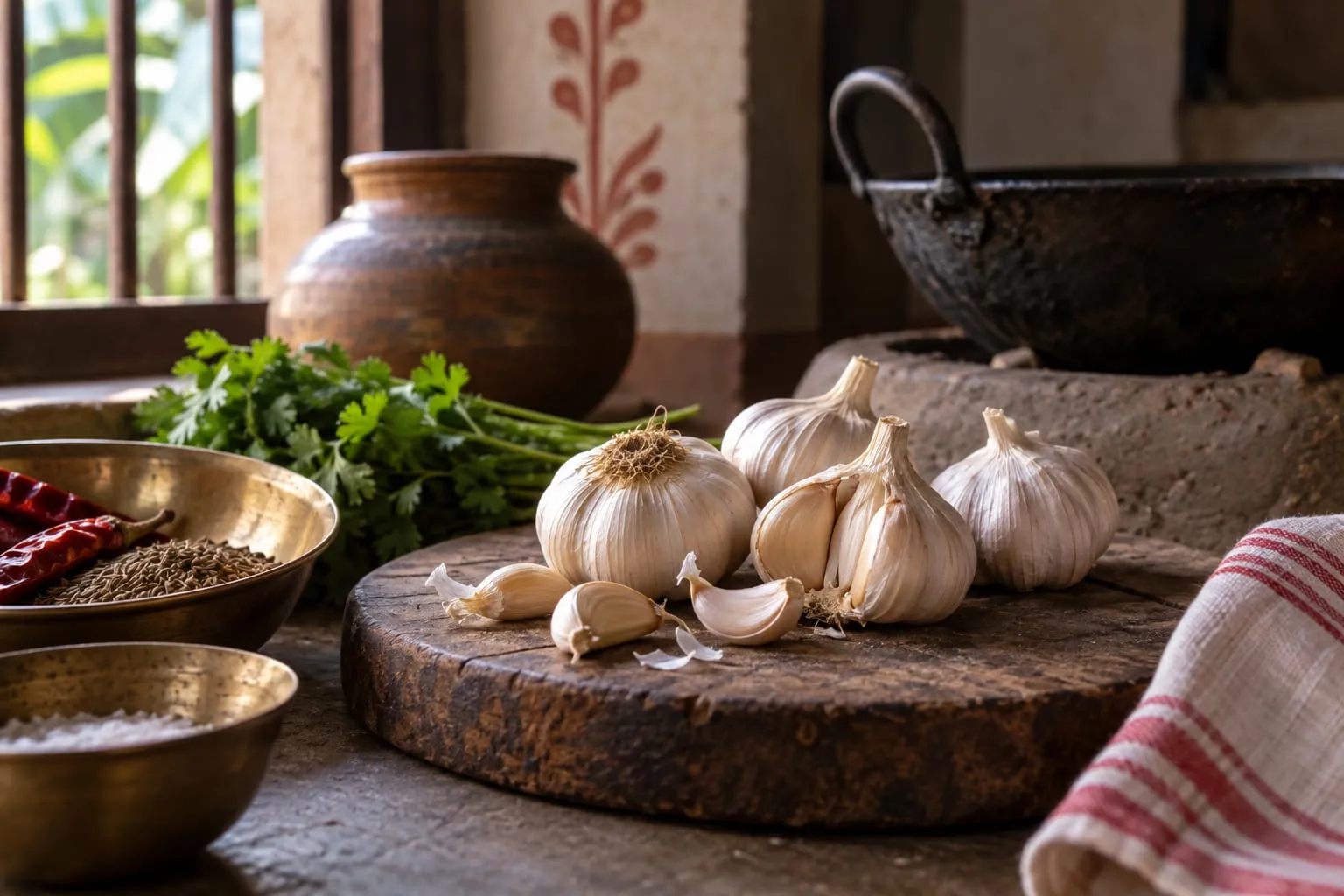
How Did Garlic Become Part of Bengali Cooking?
Garlic is now familiar in Bengali cooking, but its place in the Bengali kitchen was not always straightforward. Ancient Indian traditions valued it medicinally, while some religious dietary codes prohibited it. Bengali cookbooks from the nineteenth and early twentieth centuries reveal a gradual change in culinary practice—showing how a contested ingredient eventually became part of Bengal's changing food culture.