All stories
Every published Know Bengal article, newest first — research-based writing on Bengal’s history, economy, people, culture, places and ideas.
-
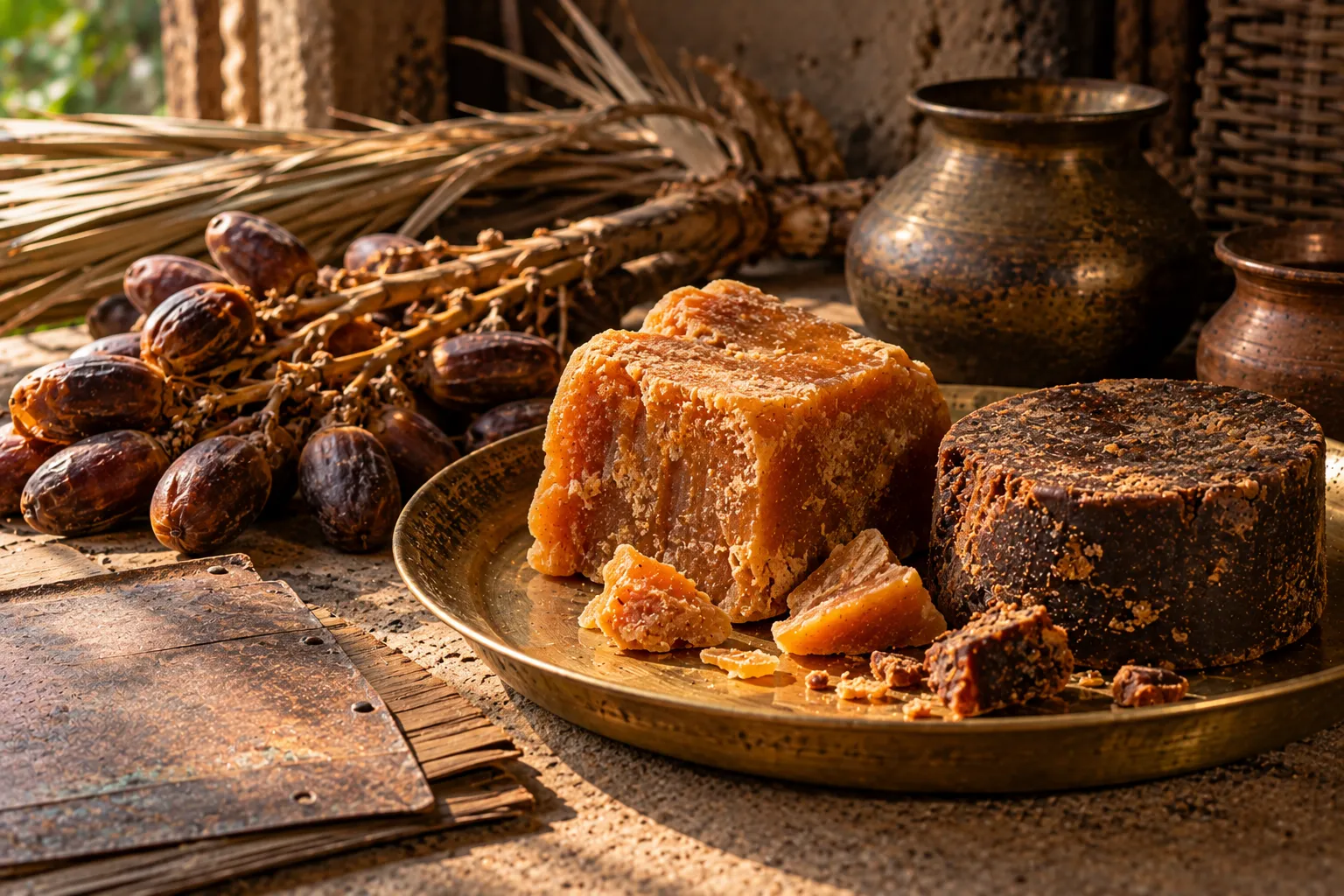
Before Sandesh: What Sweetened Bengal a Thousand Years Ago
Sandesh and roshogolla—Bengal’s most famous sweet exports—almost certainly did not exist in Pala Bengal (about 900–1100 CE). The sweetener with the strongest Bengal-specific documentary bracket across that millennium is date-palm jaggery: date palms named in a king’s land grant before the window, *nolen gur* in a poetry anthology just after it. Dairy is a civilisational inference; the sweets many treat as ancestral are a later invention.
-
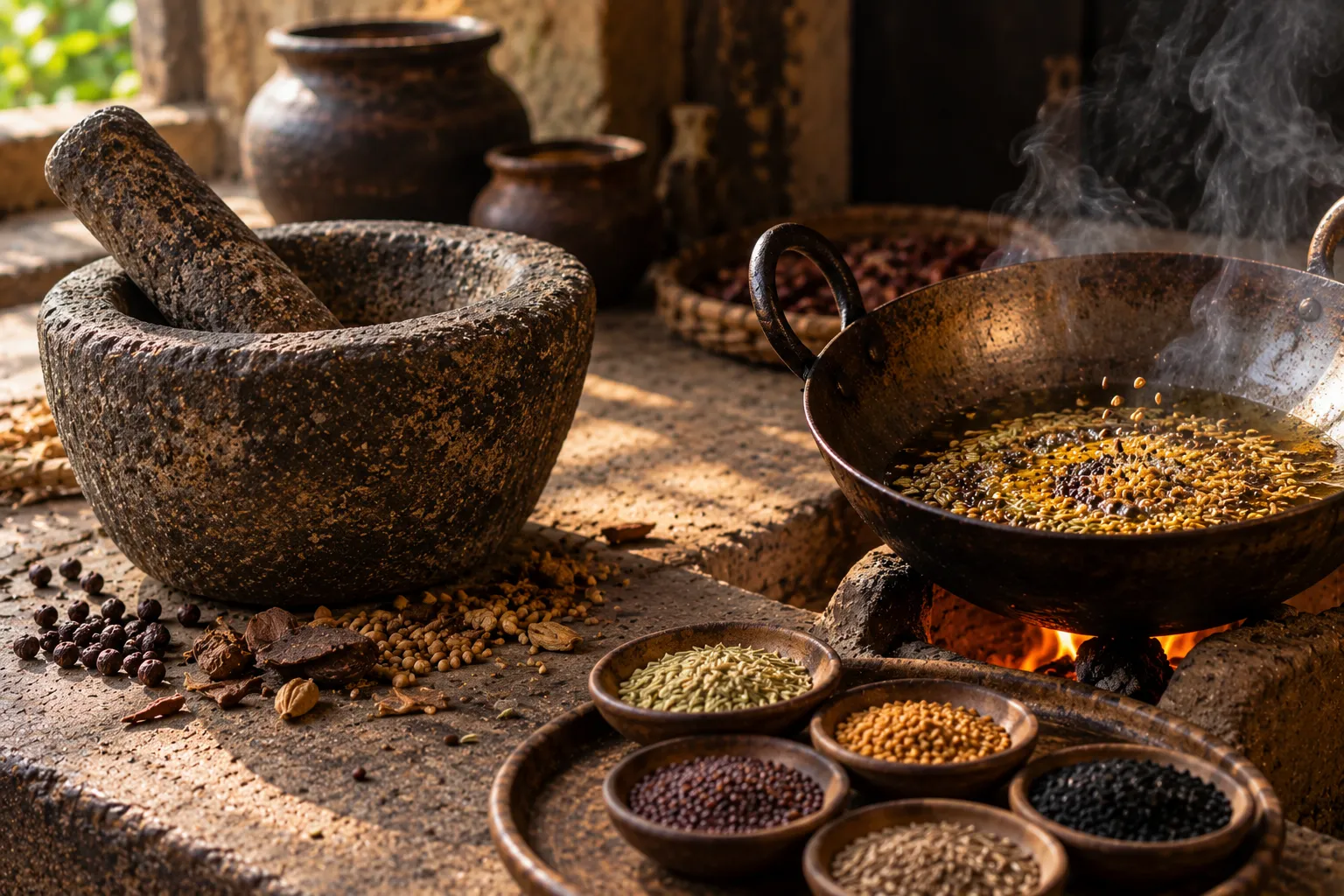
The Spice Mix That May Be Much Younger Than Bengal
The crackle of *panch phoron* in hot oil feels like ancestral Bengali perfume. For Pala Bengal, about 900–1100 CE, no located source describes that named five-spice tempering—or tempering as a codified technique. Individual spices are plausible by pan-Indian antiquity; grinding capacity is ancient. Capacity to crush spice is not the same as inventing the blend that later came to smell like memory.
-
The Bengali Kitchen Without Chilli, Potato or Tomato
Chilli, tomato and potato feel timeless on a Bengali plate. They are not. All three are New World crops, with no pre-Columbian history in Afro-Eurasia—and absent from Pala Bengal by centuries. Without chilli heat, tomato-based sourness or potato body, everyday flavour meant something quieter—and far older—than the kitchen many readers still treat as purely ancestral memory.
-
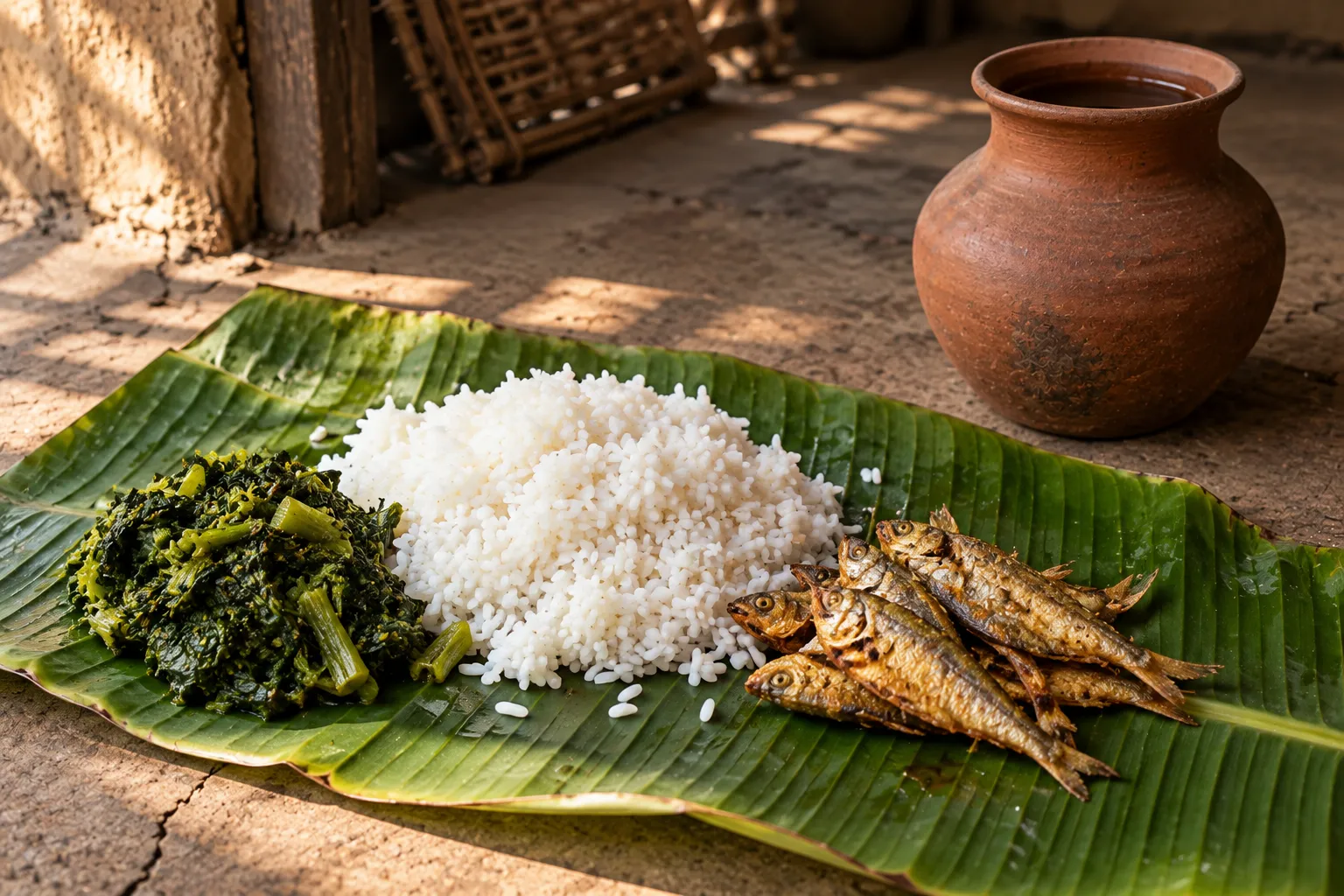
What Did Bengali Food Taste Like 1,000 Years Ago?
Clear the chilli heat, tomato sourness and sandesh from a modern Bengali table, and what remains is older than most people expect: rice, dal, fish, and mustard and sesame—the crops behind the oils Bengali cooking still uses. The flavour signature many treat as timeless Bengali taste arrived much later—layered carefully, deliciously, and recently on an older plate.
-
Malka Jaan: The Baiji Who Built Her Own World
In nineteenth-century Calcutta, Malka Jaan built an independent life through music, property, poetry and patronage—and created the cultural world in which her daughter Gauhar Jaan would flourish.
-
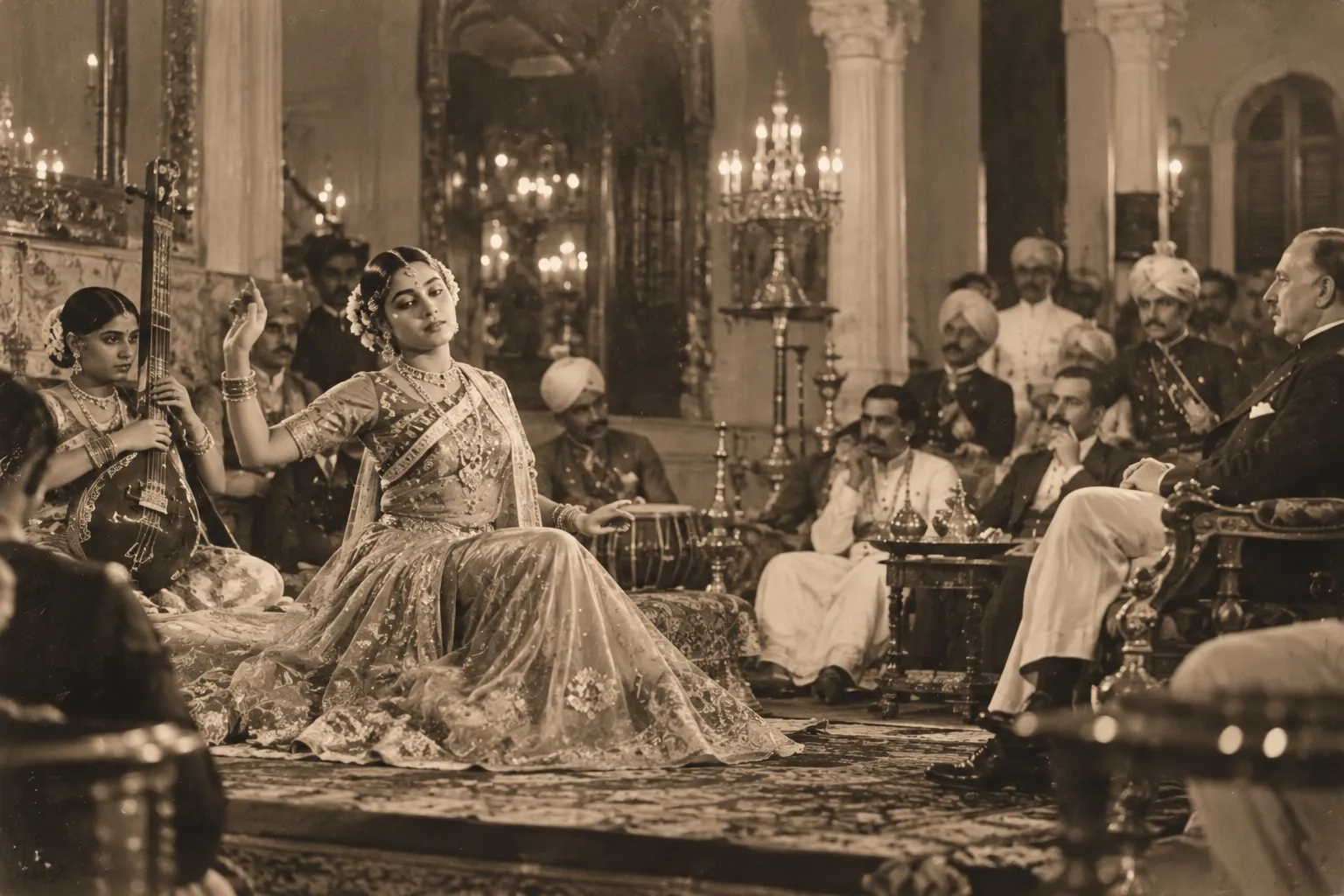
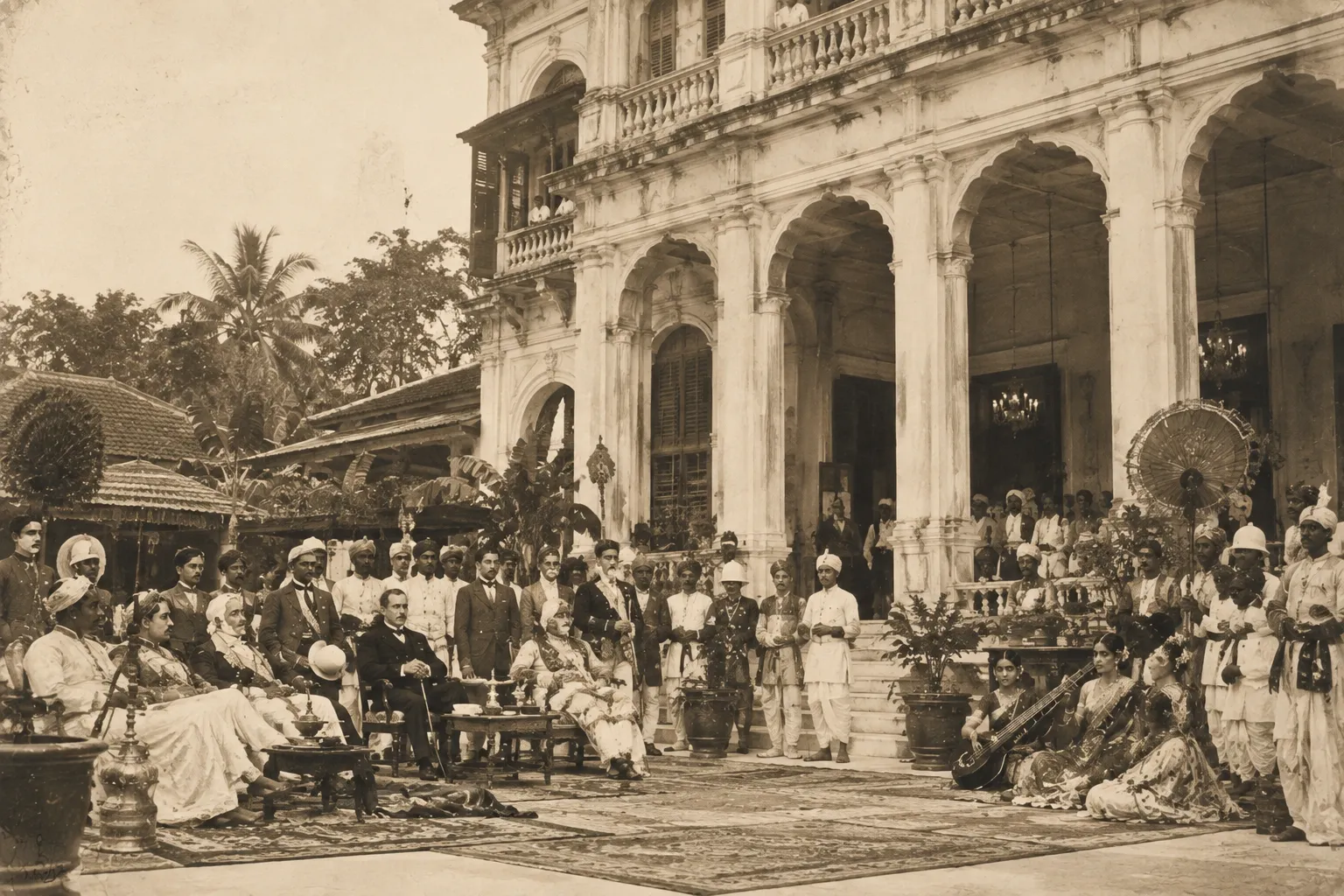
Calcutta’s Baijis: Patronised by the Babus, Condemned by Society
For decades, Calcutta’s wealthy households made Baijis central to their music, festivals and private entertainment. Then the Anti-Nautch Movement began to redefine the same women as symbols of moral decline. What changed—and why did the performers carry so much of the blame?
-
Nikki Bai: The Most Expensive Voice in Colonial Calcutta
How a celebrated baiji became one of colonial Calcutta's most sought-after performers—and what her extraordinary fees reveal about wealth, celebrity and elite patronage.
-
How New Money Became Old Power in Colonial Calcutta
How merchants, Company intermediaries and newly wealthy families turned colonial fortunes into land, prestige, cultural authority and dynastic power.
-
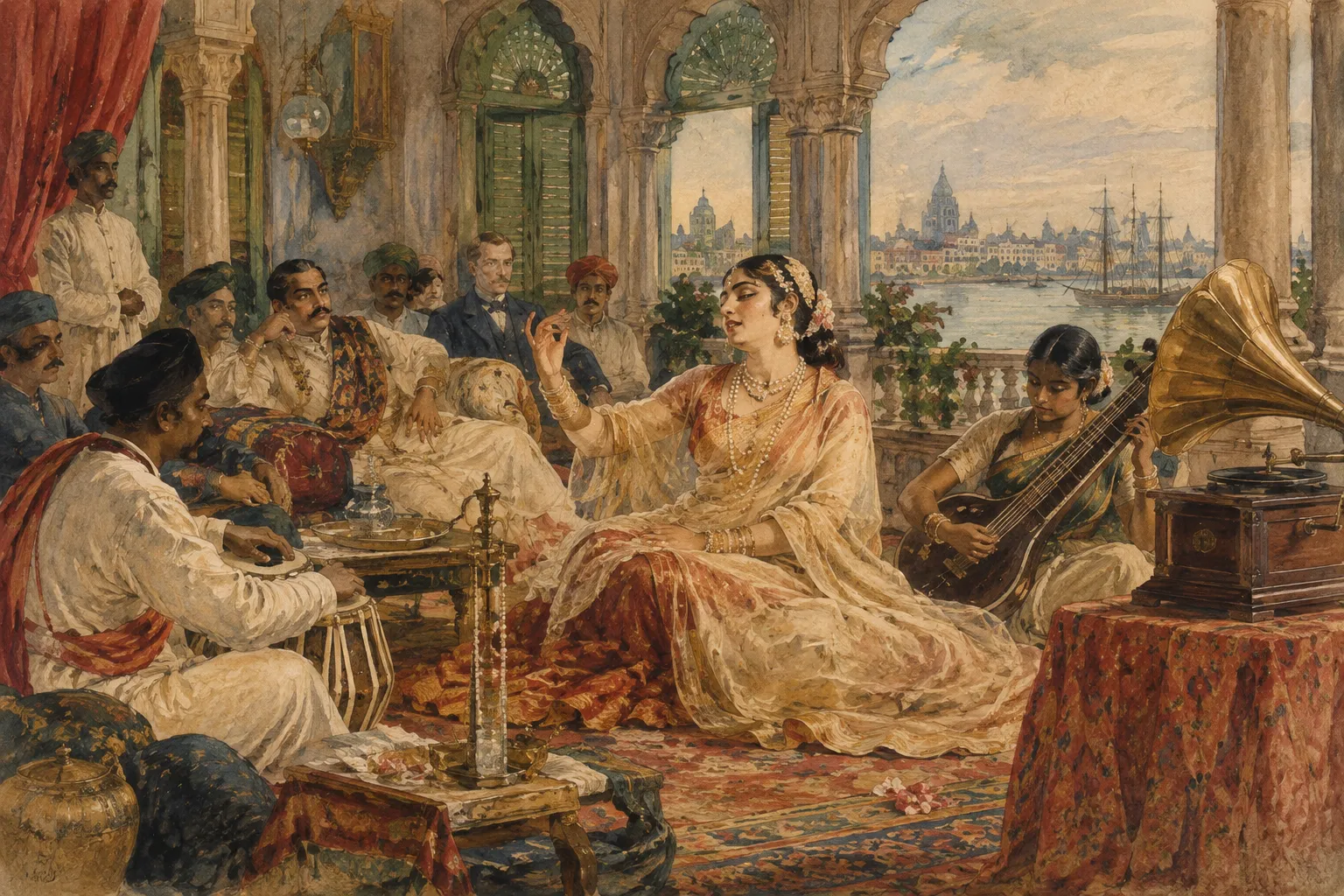
From the Kotha to the Gramophone: The Women Who Shaped Calcutta’s Music
Before the gramophone carried their voices across India, Baijis and Tawaifs had already transformed Calcutta’s musical life. Their salons connected music, dance, poetry, patronage and commerce—until colonial law and social reform pushed them to the margins.
-
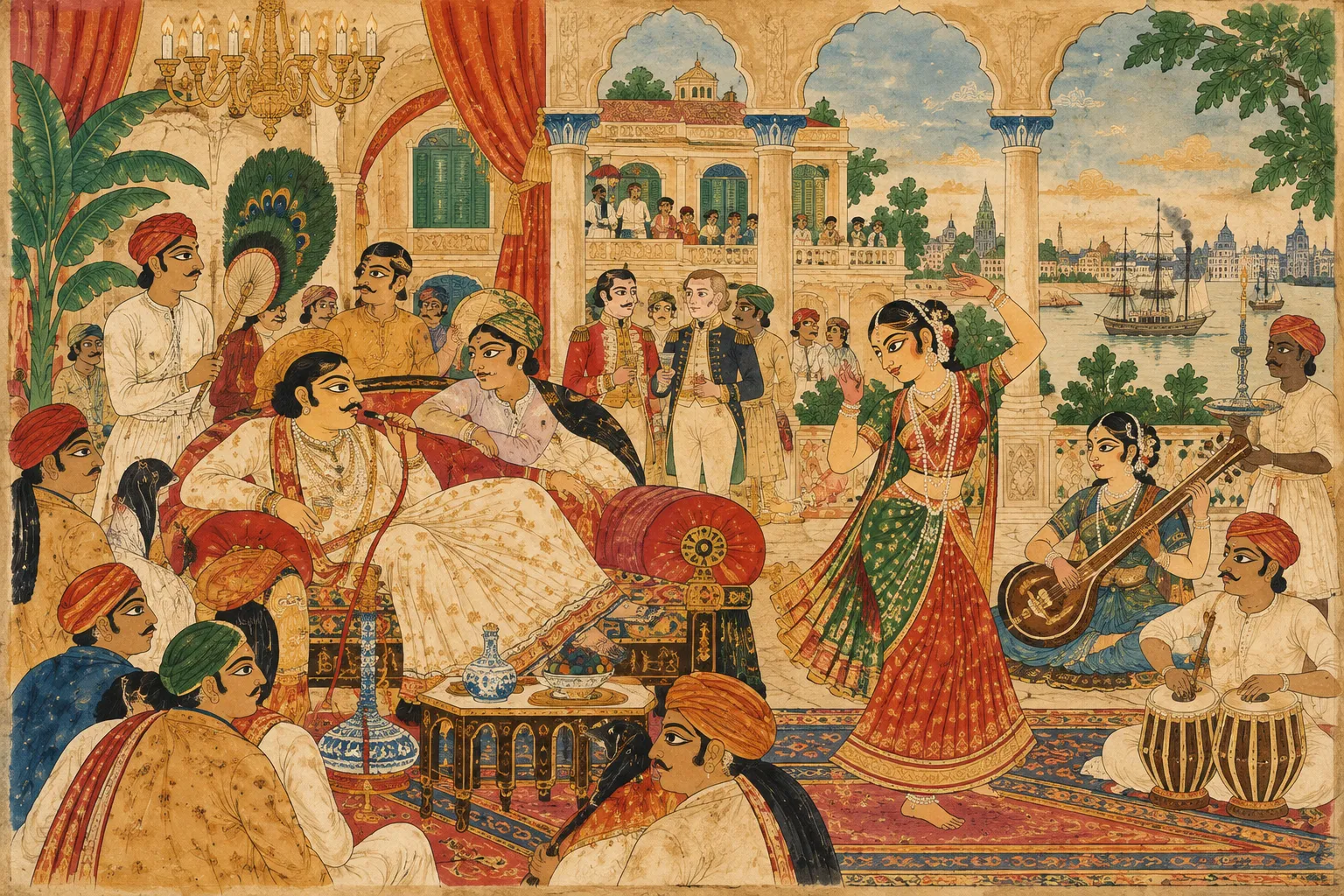
How Calcutta’s New Rich Became the Babus
The rise of a new Bengali elite in colonial Calcutta was not simply a story of money. Commerce, Company rule, landholding and cultural patronage transformed new fortunes into a distinctive social world known as Babu culture.
-
The Chinese Dentists of Calcutta’s Streets
From Hubei to Bowbazar and Bentinck Street, Chinese dental practitioners built a distinctive place in Calcutta’s medical marketplace. Their story reveals how migrant skill, family knowledge and urban enterprise shaped the city’s everyday life.
-
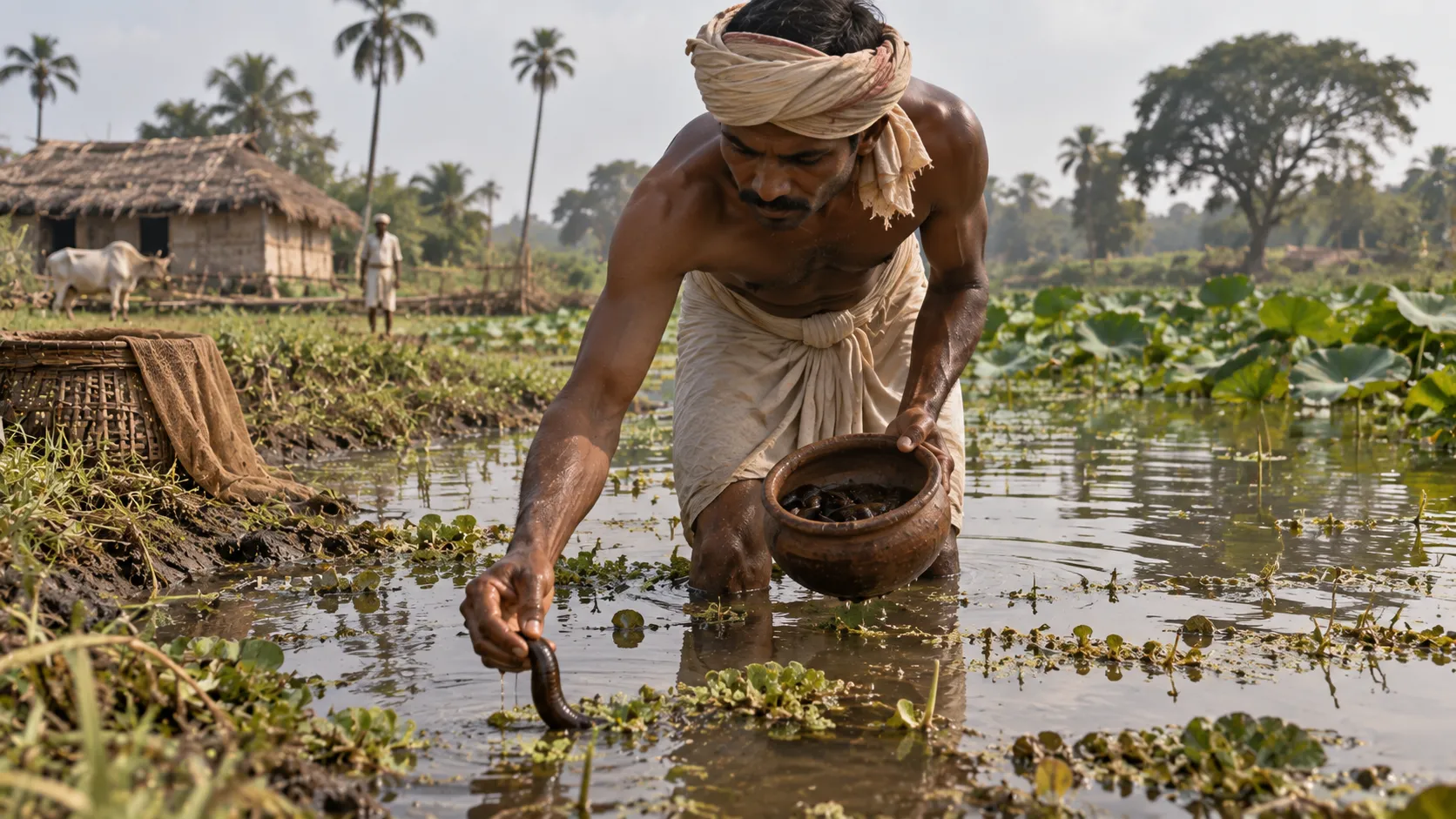
The Strange Business of Selling Leeches in Colonial Calcutta
From Bengal’s wetlands to colonial hospitals, medicinal leeches became a commercial supply. Discover the harvesters, contractors and medical demand behind this unusual nineteenth-century trade.
-
The Skeletons of Bengal That Taught the World Anatomy
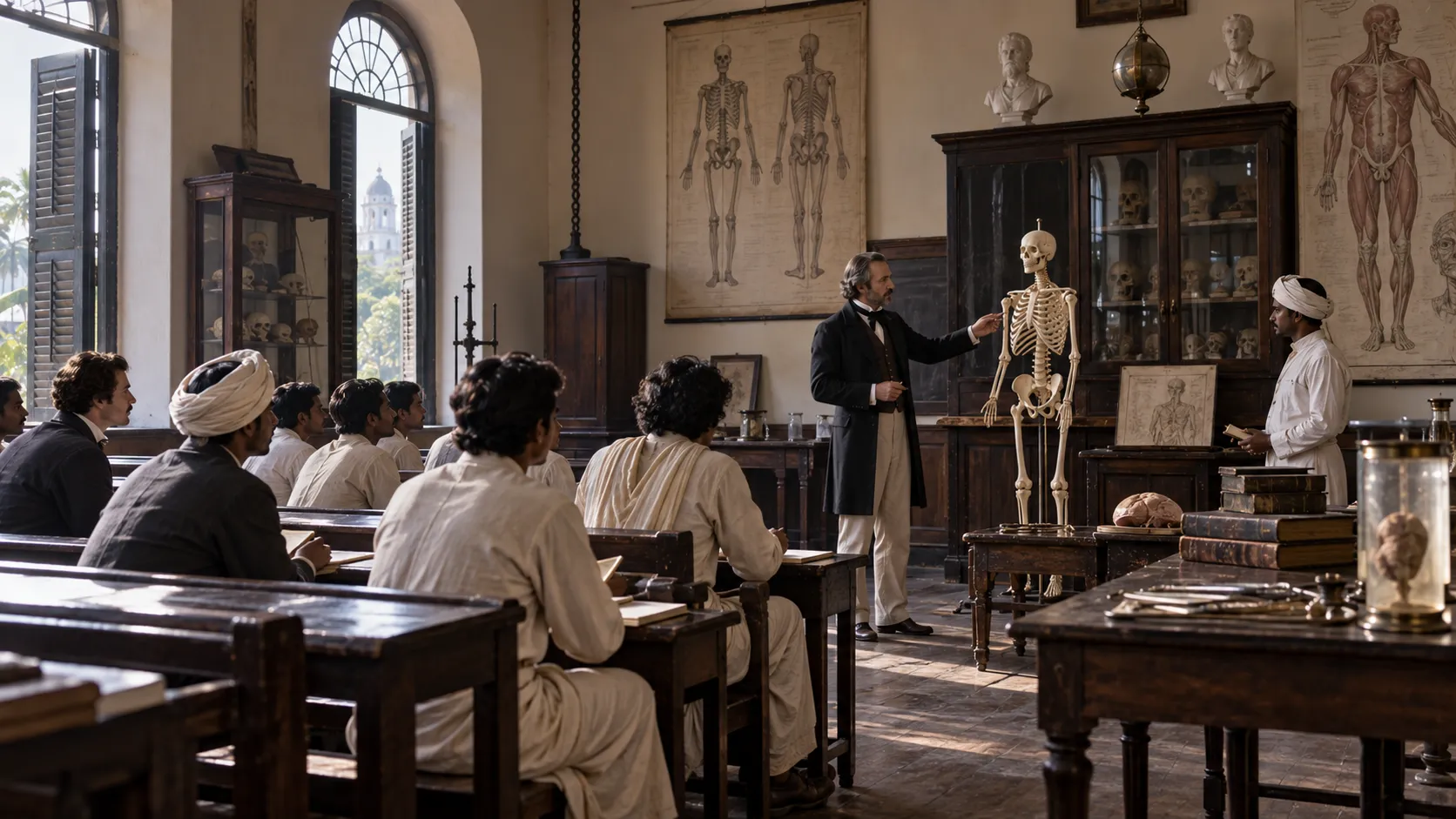
From Calcutta’s workshops to medical classrooms across the world, the trade in human skeletons connected anatomical education to a hidden network of labour, commerce and contested human remains.
-
The Day the Bearers Put Calcutta Down
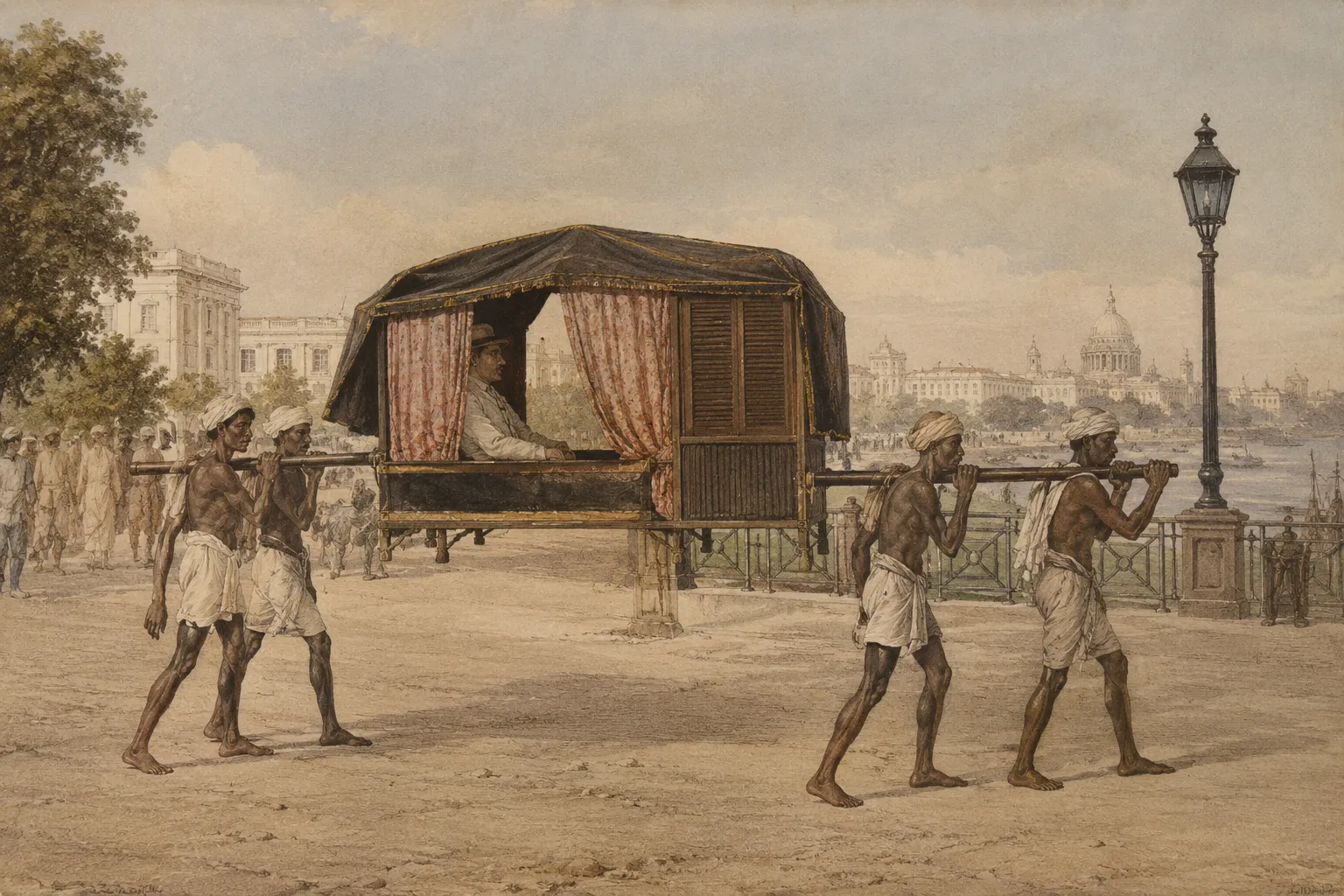
In 1827, Calcutta’s Oriya palanquin-bearers went on strike against colonial regulations, revealing the power—and limits—of collective action among the workers who carried the city.
-
The Wild Animals Calcutta Sold to the World
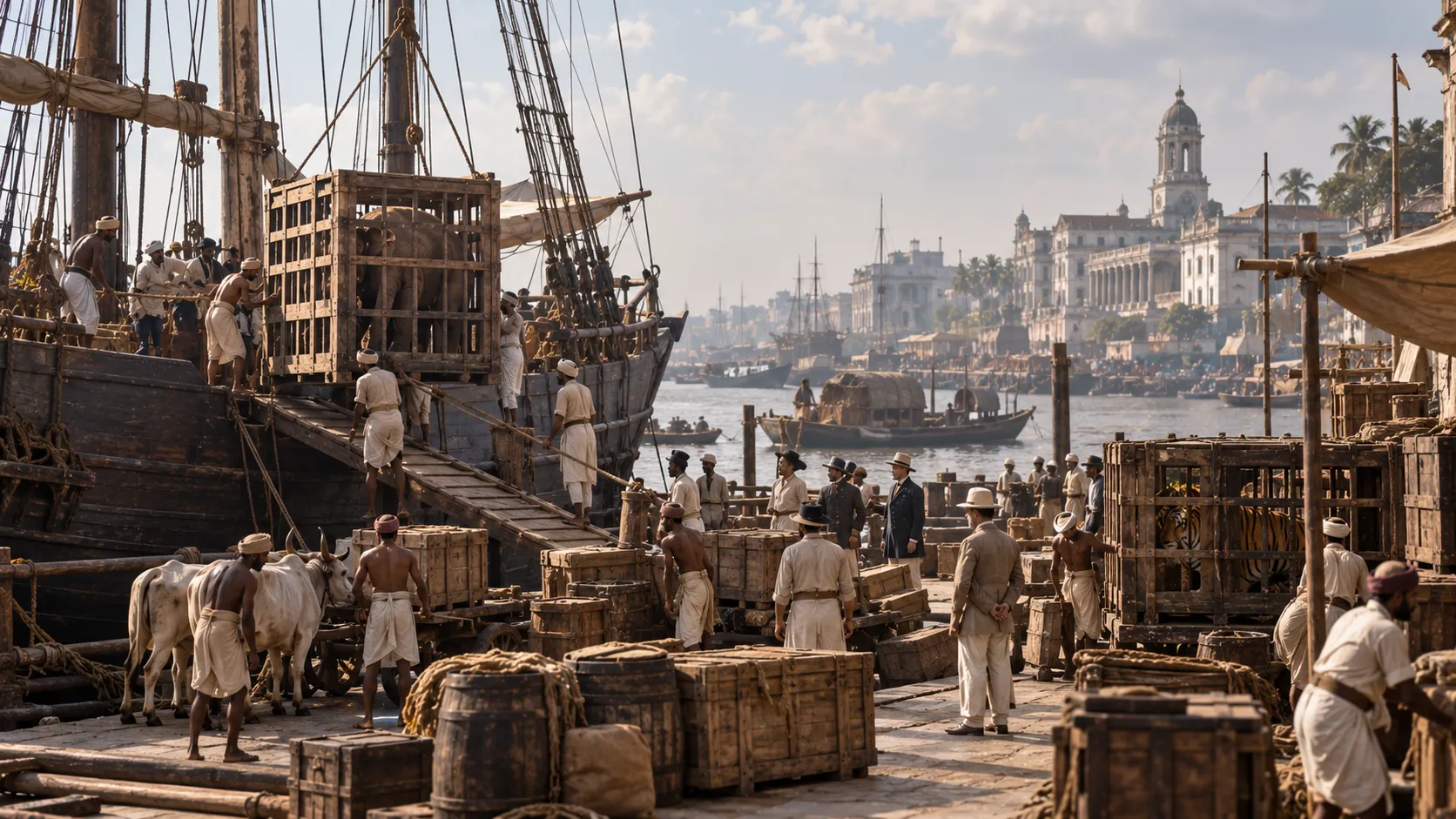
In nineteenth-century Calcutta, hunters, animal dealers and overseas buyers formed a trade that carried wild animals from eastern India’s forests to royal collections and Victorian menageries.
-
The Cow Urine That Became an International Art Trade in Bengal
A golden pigment made in rural Bihar travelled through Bengal’s commercial networks to the European art market. The extraordinary story of Indian Yellow connects cattle, colonial trade and the colours of painting.
-
The Ice That Crossed the World: From Massachusetts to Calcutta
In 1833, a ship carried a remarkable cargo from Massachusetts to Calcutta: more than a hundred tons of ice. Harvested from frozen New England lakes and shipped across the oceans, it became part of the city’s commercial and medical life. This is the story of the people, infrastructure and technology that made it possible to transport winter to the tropics.
-
The Cookbook That Left Out Onion and Garlic
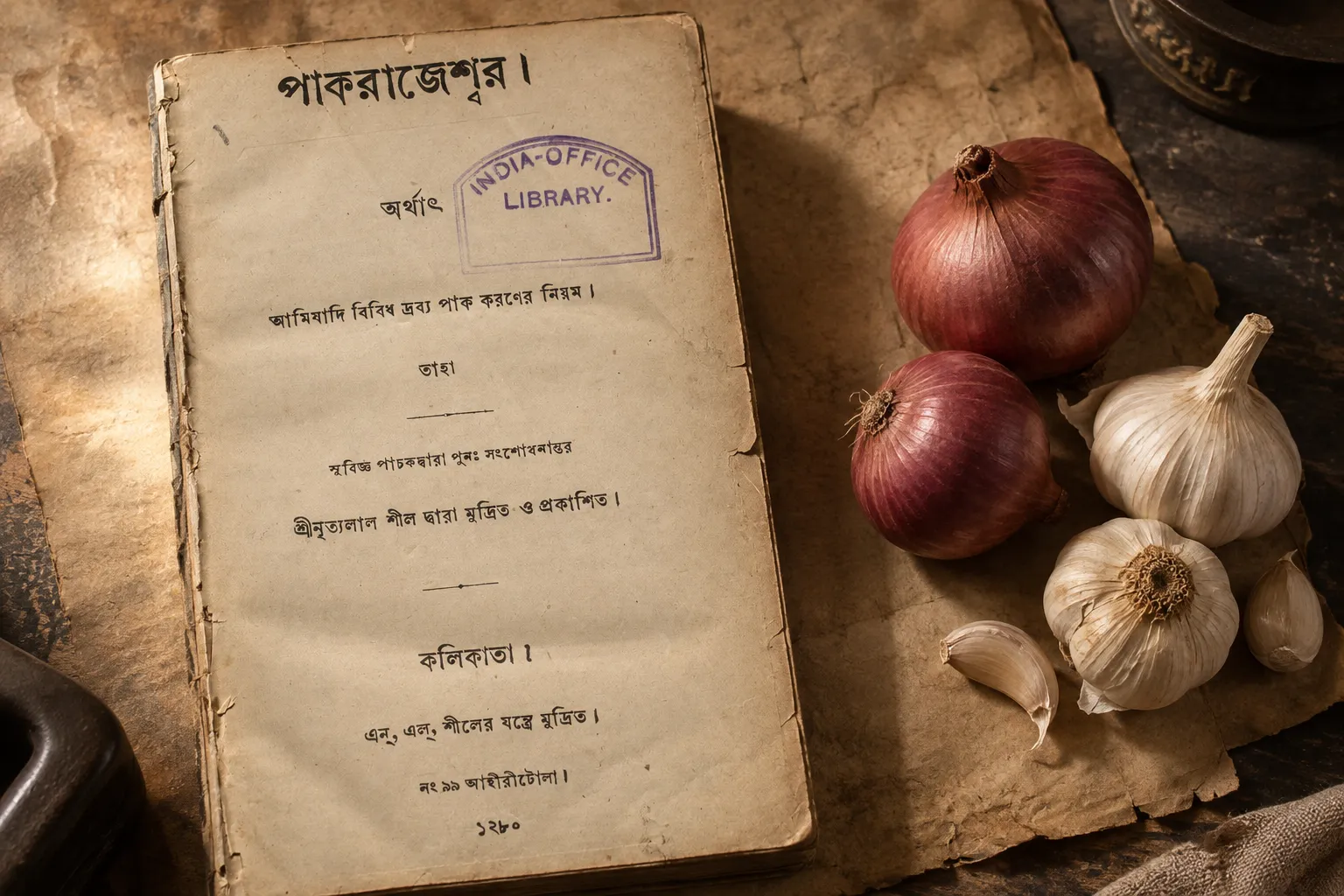
In 1831, a Bengali cookbook described elaborate meat dishes while leaving out ingredients many cooks today might expect to find. Its author even explained why onion was omitted. Through this curious absence, we glimpse how Bengali food was represented, who its cookbooks were written for, and how culinary influences were adapted to local tastes and expectations.
-
The Spice That Left Garlic and Onion Behind
Ginger, garlic and onion often share the same place in Bengali cooking, but they do not always share the same place in ritual life. Ginger’s presence in some devotional settings raises a fascinating question about food, purity and the meanings attached to plants. Why can one member of this familiar culinary trio cross a boundary the others may not?
-
The Onion That Had to Find Its Place in the Bengali Kitchen
Why would an early Bengali cookbook include elaborate meat dishes while leaving out onion? Following the ingredient through nineteenth-century cookbooks reveals a changing culinary world shaped by taste, religious boundaries and household expectations. Its story is not a simple tale of arrival, but of how Bengali food writers negotiated what belonged in the kitchen.
-
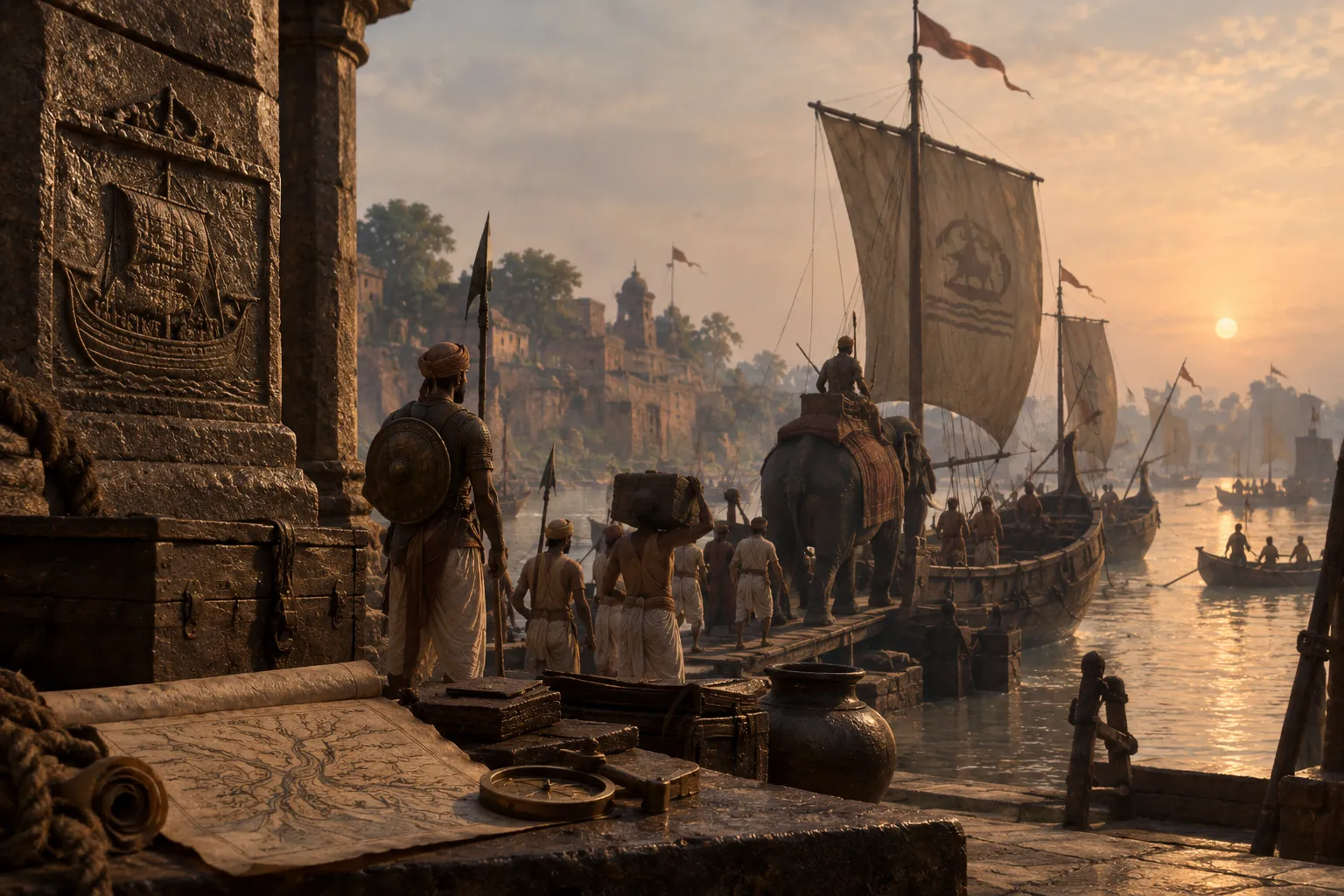
How Do You Reconstruct a Ship That No Longer Exists?
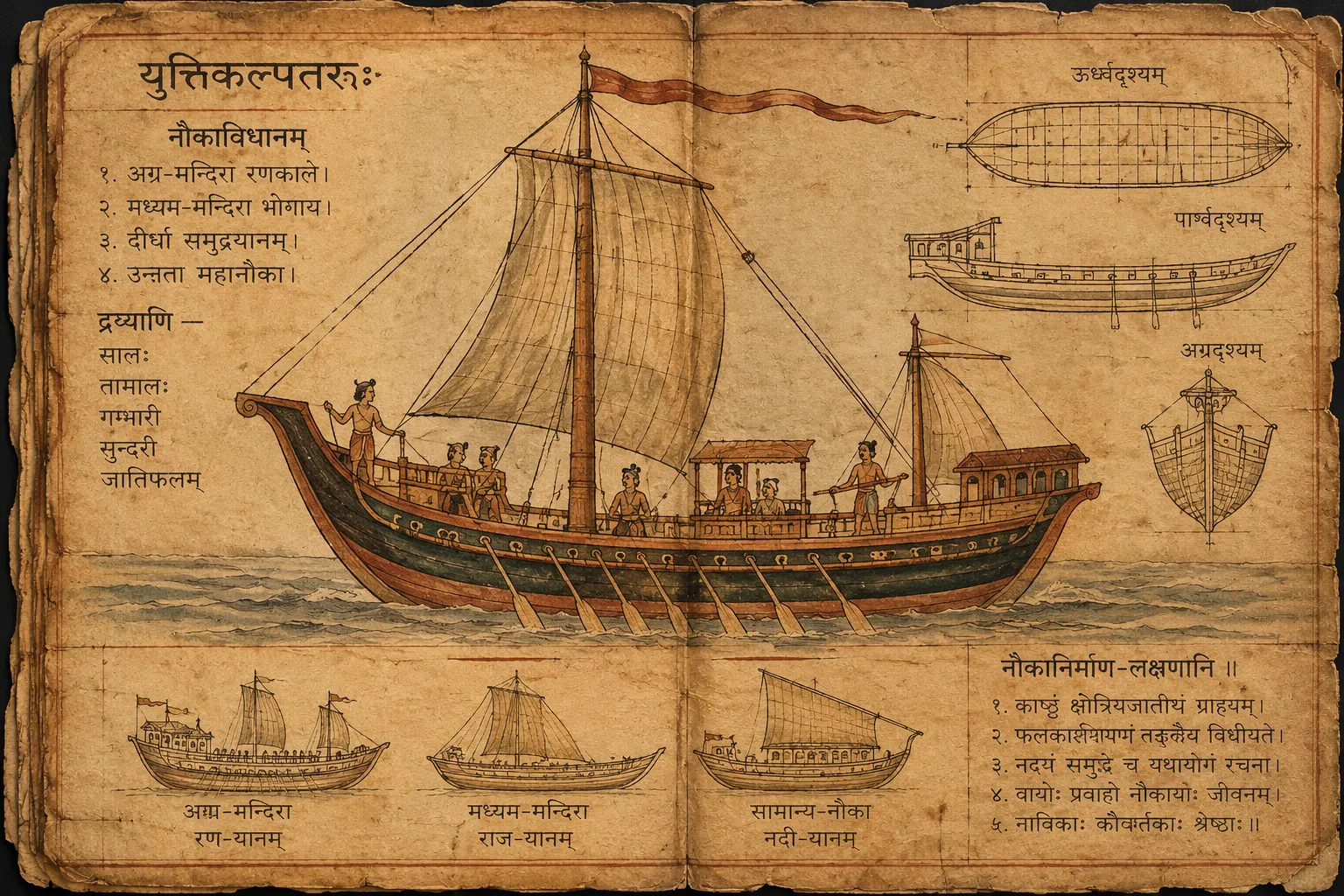
The ships of ancient Bengal have largely vanished, but fragments of their world remain—in terracotta images, ancient texts and shipbuilding traditions. Reconstructing them means piecing together these clues while distinguishing what the evidence reveals from what researchers can only infer. It is a journey into the possibilities and limits of recovering a lost maritime past.
-
The River Battles of the Ramacharitam
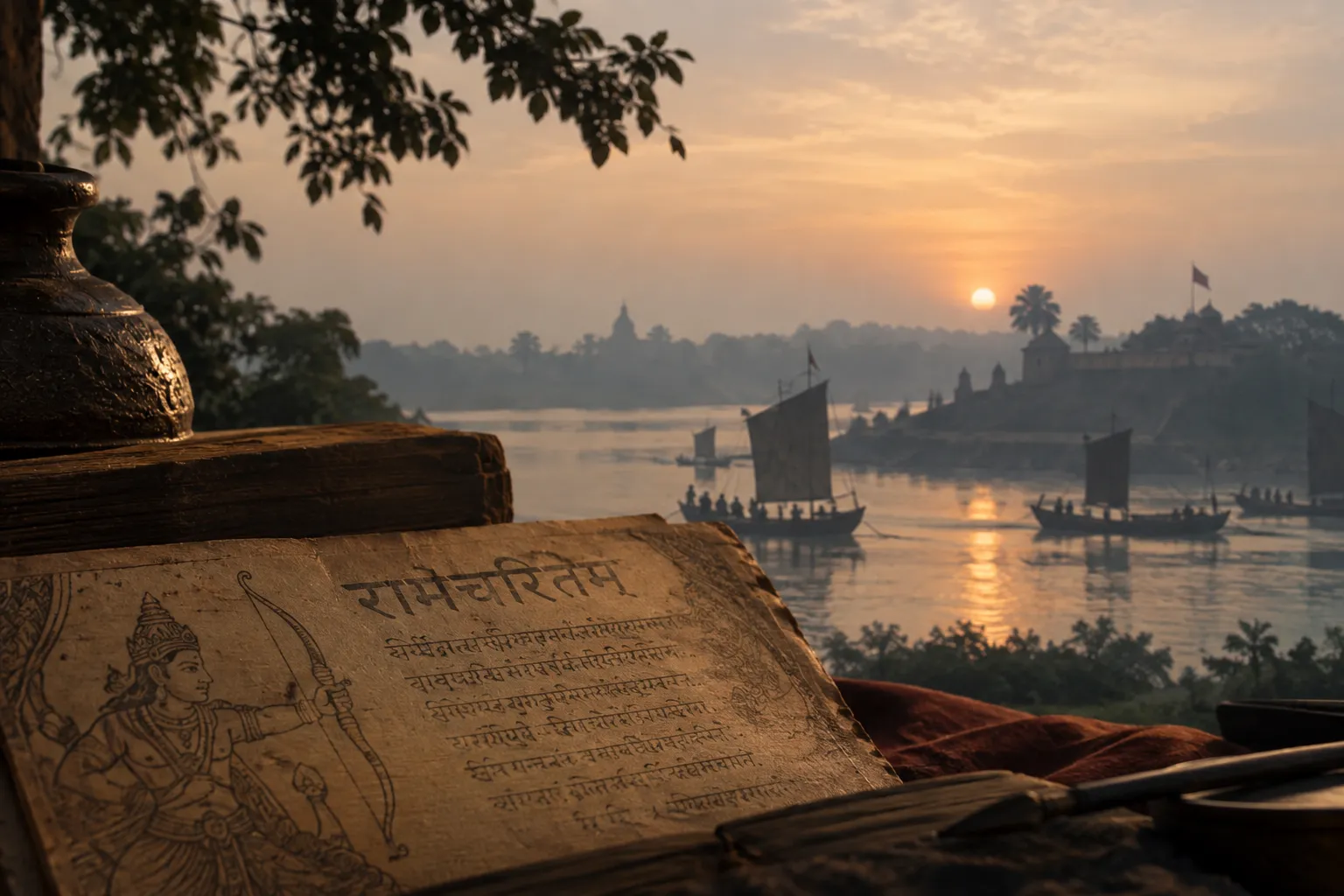
In the eleventh century, the Pala dynasty lost Varendra to a revolt led by a man named Divya, whose successors held the territory until Ramapala reclaimed it. The Sanskrit poem Ramacharitam preserves the memory of that struggle while weaving the king’s recovery into a literary narrative shaped by the story of Rama. It offers a window into medieval Bengal’s political conflicts and the courtly imagination that remembered them.
-
The Ancient Port We Can Still See in Terracotta
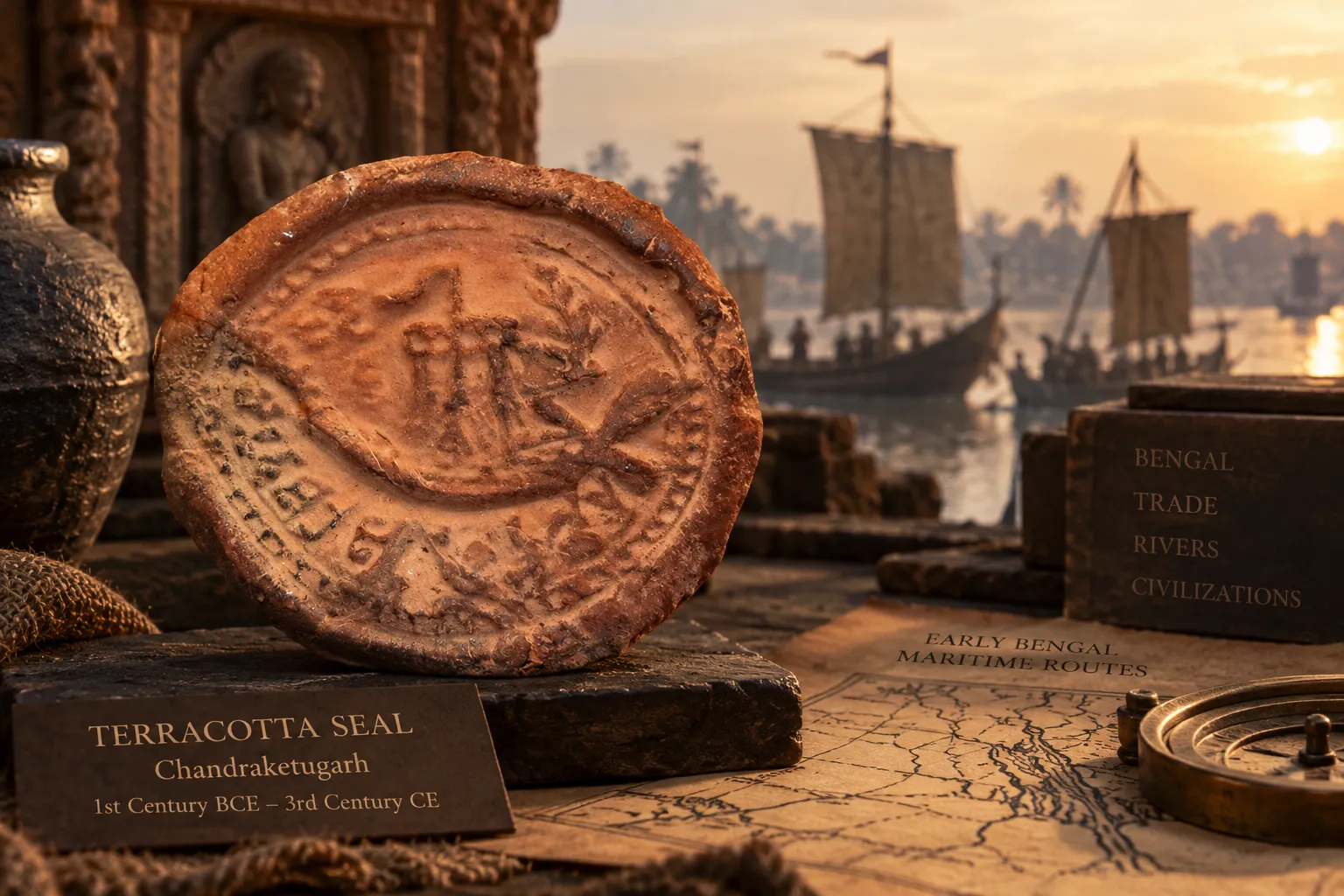
At Chandraketugarh, small terracotta seals preserve images of ships, inscriptions and clues to ancient maritime activity. One remarkable sealing has been interpreted as showing a horse aboard a vessel, while others connect ships with grain and voyages. These fragments offer a tangible glimpse of Bengal’s early maritime world—and a chance to investigate what the evidence can actually establish.
-
Bengal’s Navy Was Not Just a Navy
Bengal’s rivers shaped how its rulers fought, travelled and governed. Evidence from the Pala and Sena periods points to naval forces and specialized roles connected with vessels, ports and river crossings. The surviving records cannot establish the size of Bengal’s fleets, but they reveal a maritime world whose importance extended beyond the battlefield.