Category
People
Lives and figures — the widely remembered and the overlooked.
-
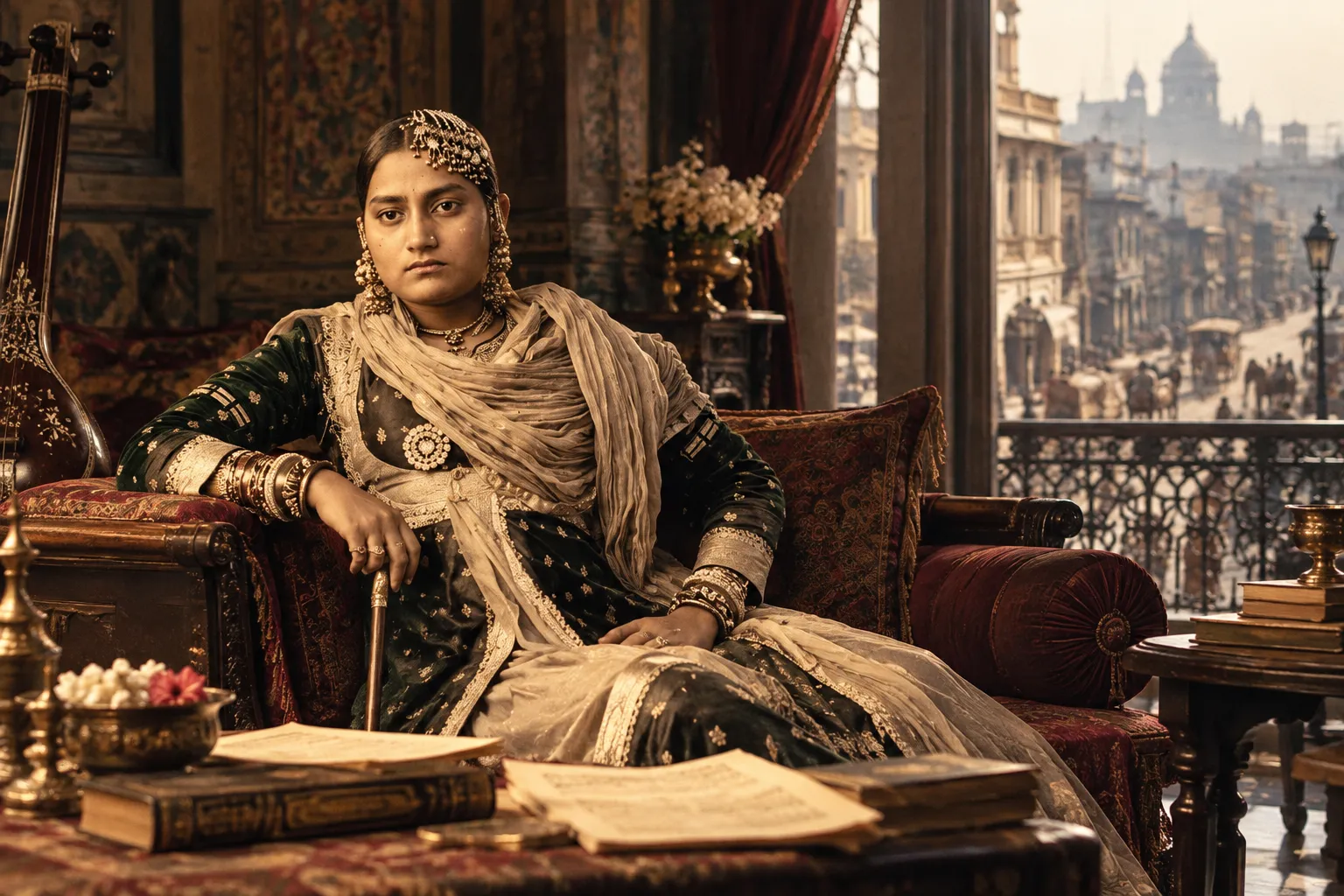
Malka Jaan: The Baiji Who Built Her Own World
In nineteenth-century Calcutta, Malka Jaan built an independent life through music, property, poetry and patronage—and created the cultural world in which her daughter Gauhar Jaan would flourish.
-
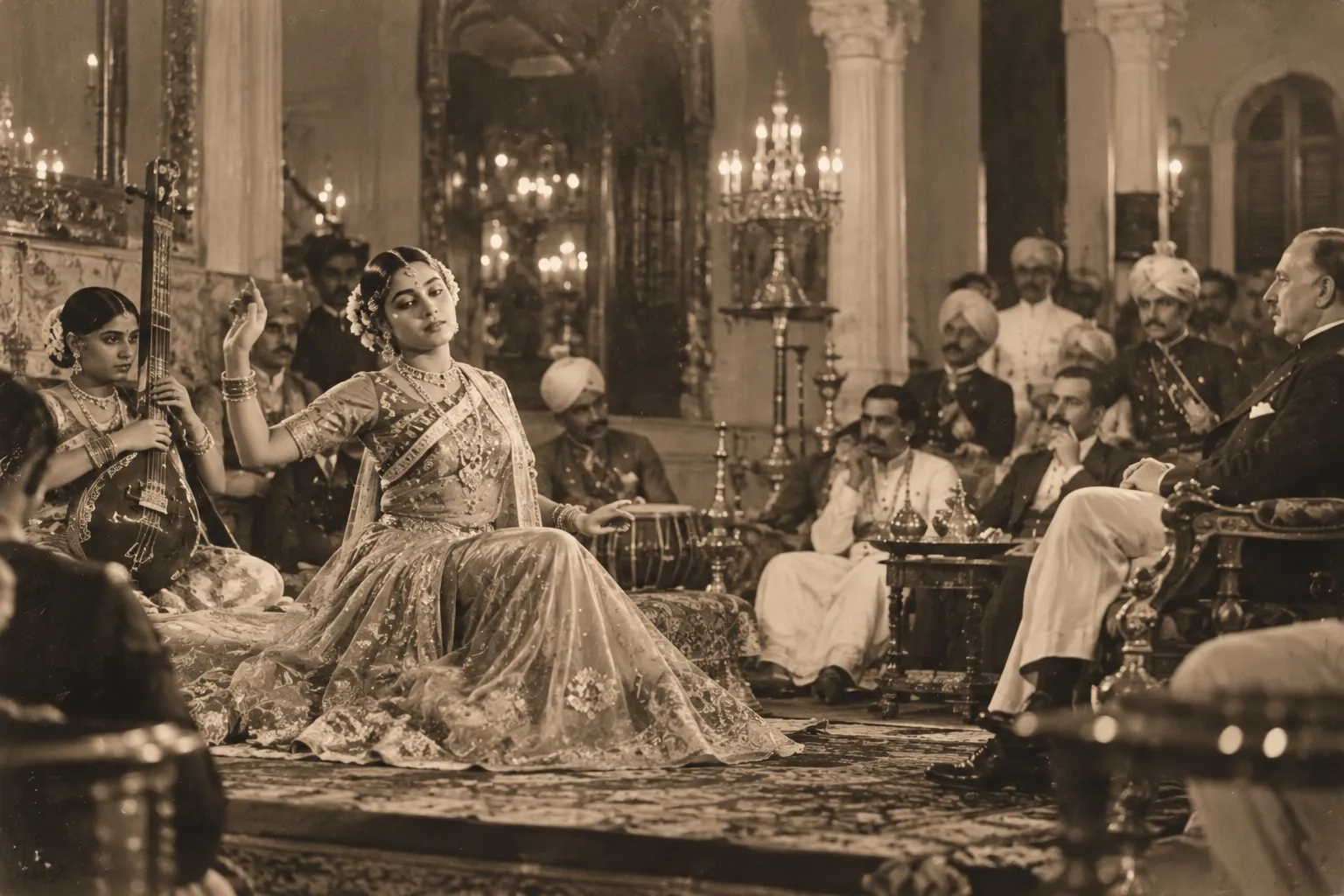
Nikki Bai: The Most Expensive Voice in Colonial Calcutta
How a celebrated baiji became one of colonial Calcutta's most sought-after performers—and what her extraordinary fees reveal about wealth, celebrity and elite patronage.
-
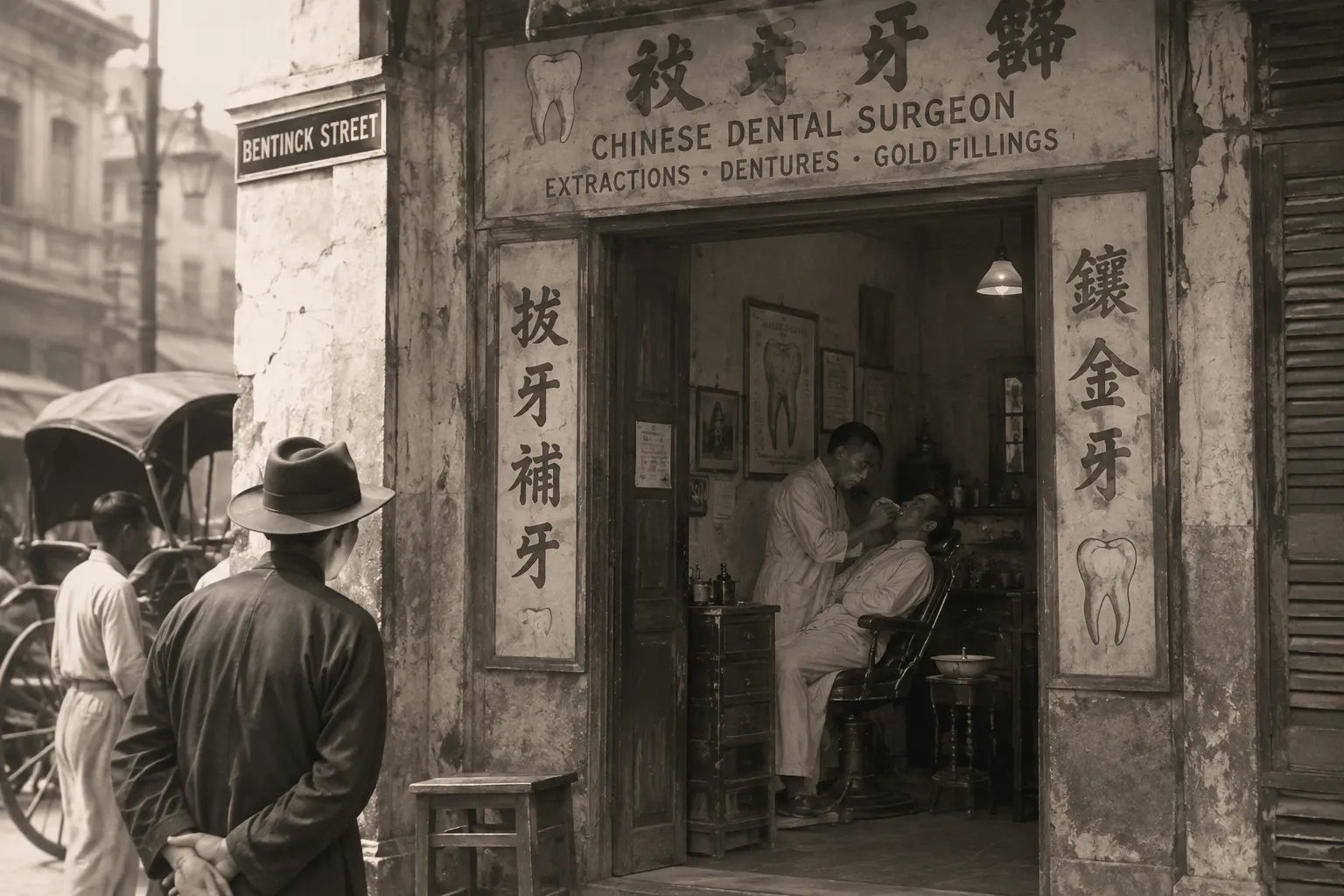
The Chinese Dentists of Calcutta’s Streets
From Hubei to Bowbazar and Bentinck Street, Chinese dental practitioners built a distinctive place in Calcutta’s medical marketplace. Their story reveals how migrant skill, family knowledge and urban enterprise shaped the city’s everyday life.
-
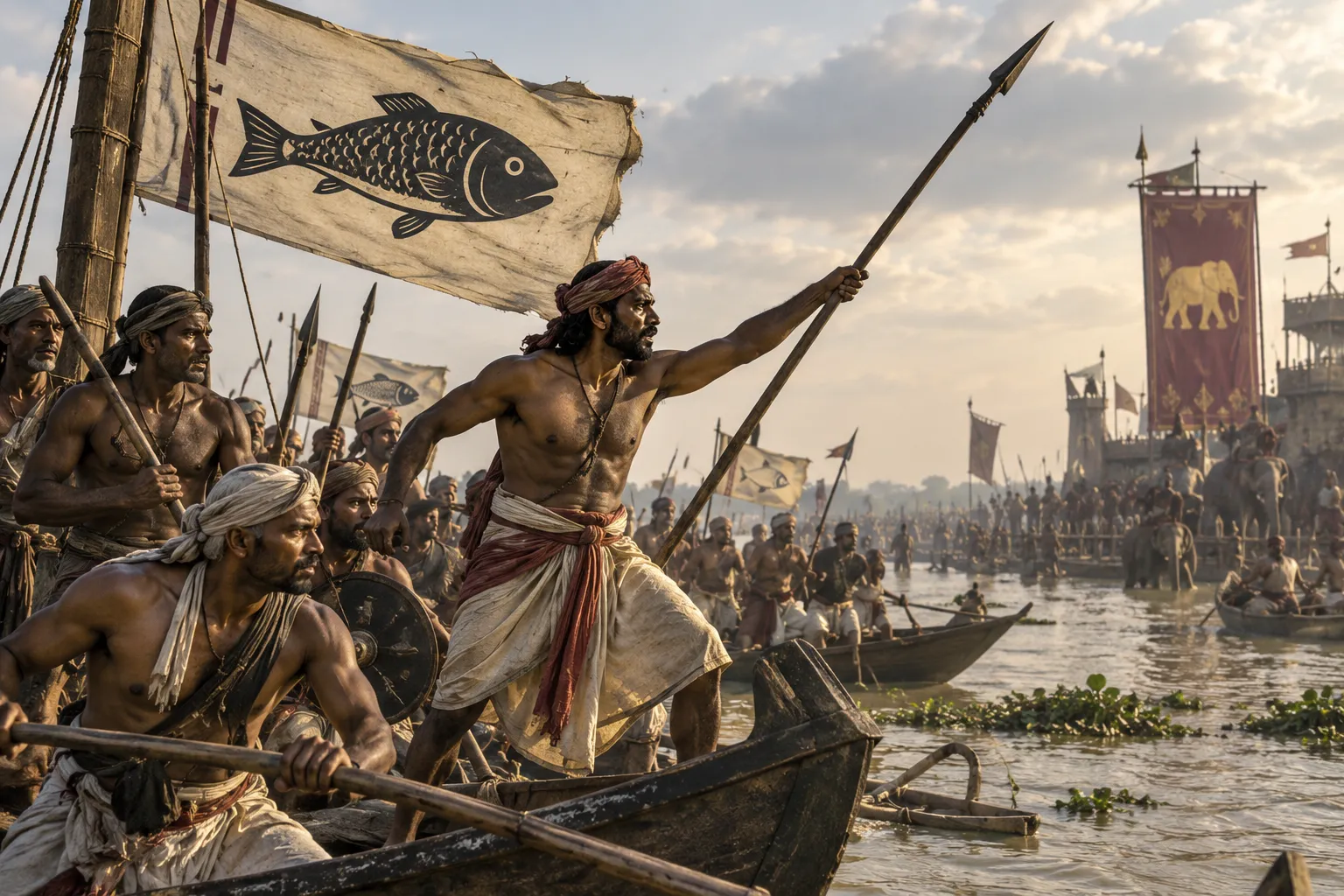
The Kaivarta Power That Bengal's Kings Could Not Ignore
The Kaivartas were among the river-dependent communities of medieval Bengal, traditionally associated with fishing and boat work. Their revolt in Varendra under Divya became far more than a local uprising: it disrupted Pala authority and forced Ramapala to fight for the region’s recovery. Their story reveals how knowledge, labour and control of waterways could become political power.
-
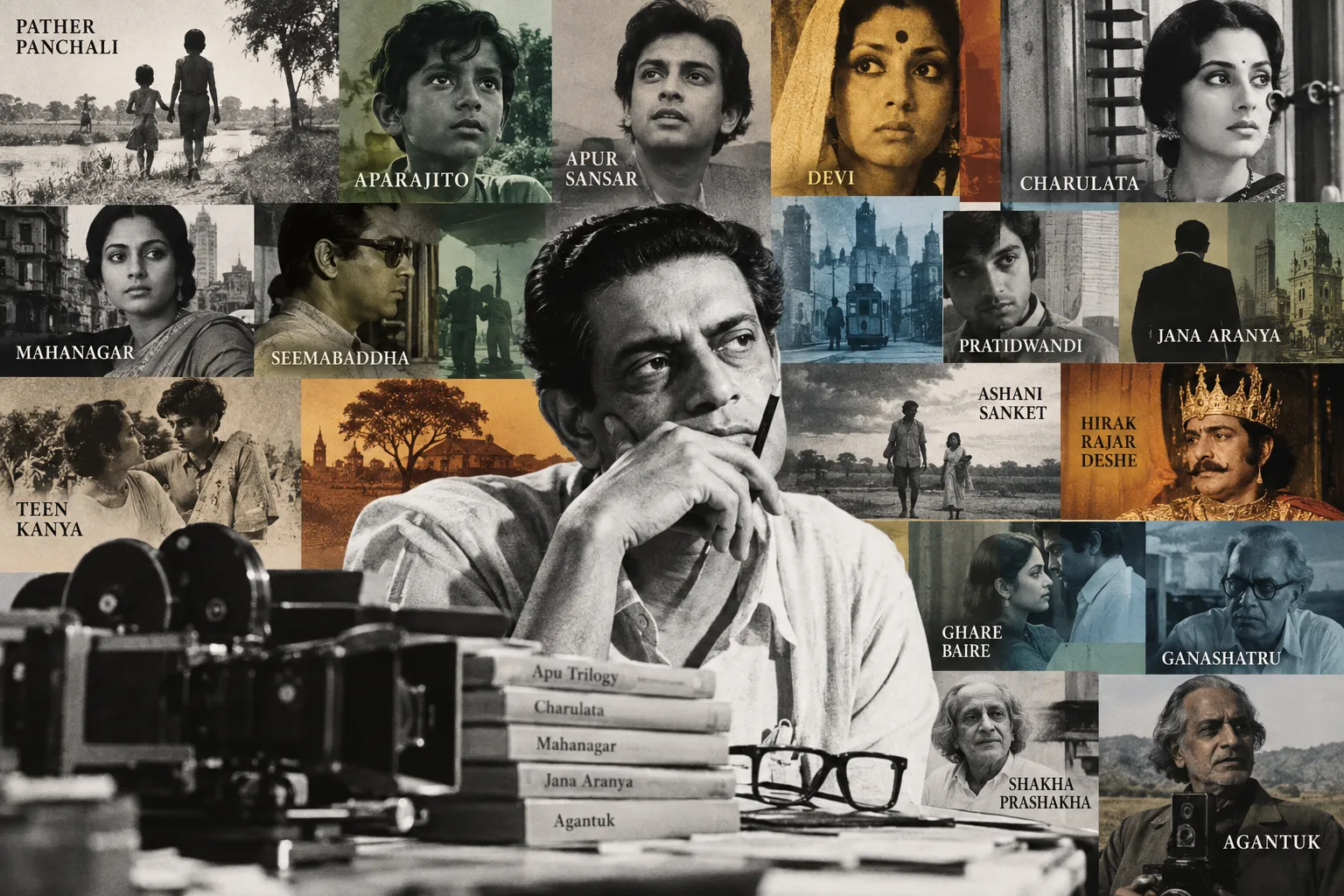
The Filmmaker Who Saw Bengal Differently
Satyajit Ray’s cinema changed as Bengal changed. From the villages of the Apu Trilogy to Calcutta’s working women, political anxiety, moral compromise and the philosophical questions of Agantuk, Ray kept returning to one concern: how people behave when the world they know begins to change. His filmography becomes a portrait of Bengal in motion.
-
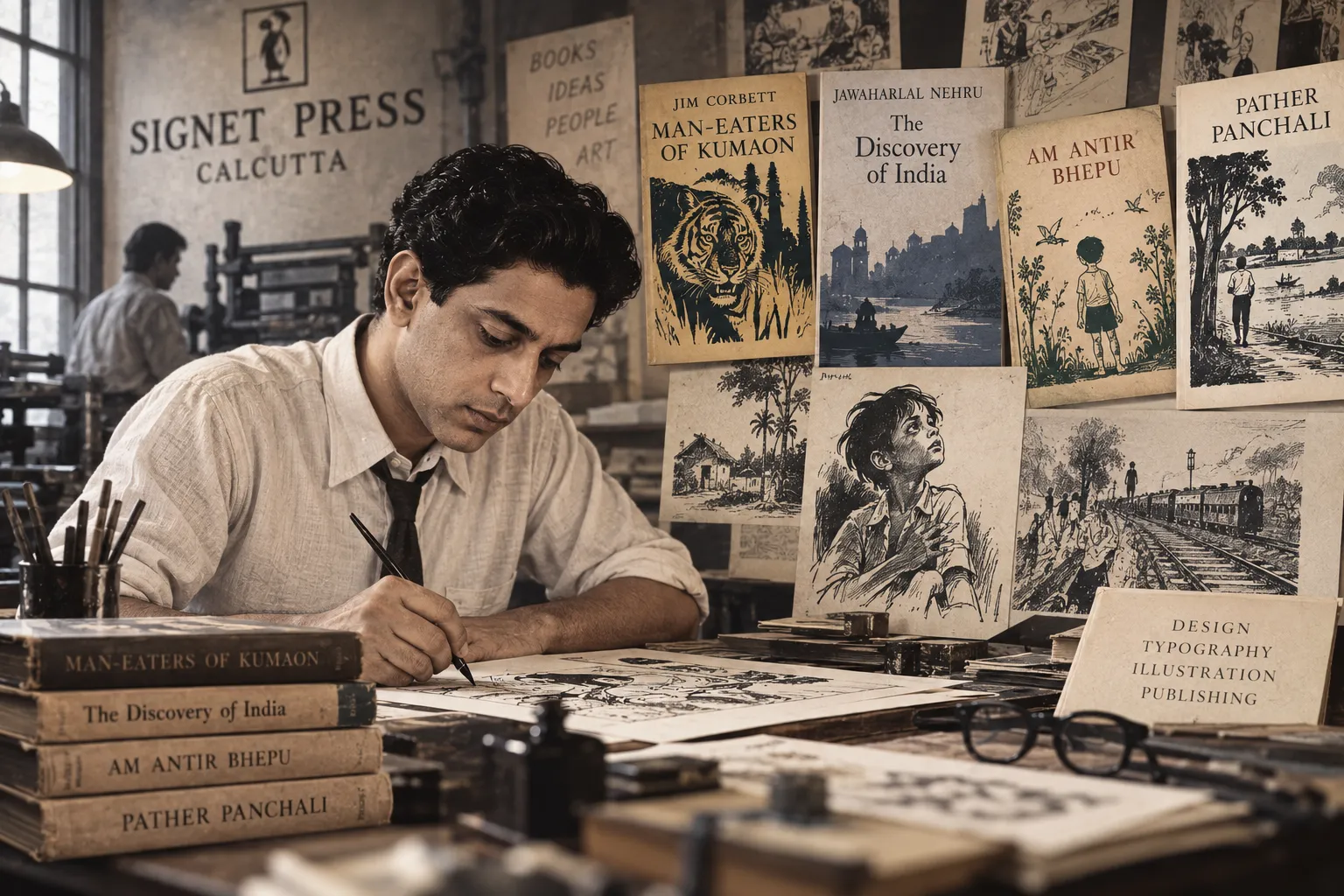
Before Satyajit Ray Made Films, He Designed How Bengal Read
Satyajit Ray is remembered in Bengal as a filmmaker and writer, but his visual imagination was shaped before he made his first film. At Signet Press, he learned to communicate through book covers, illustration and typography, and his work on Bibhutibhushan Bandyopadhyay’s Pather Panchali helped lead him towards cinema. The printed page came before the camera.